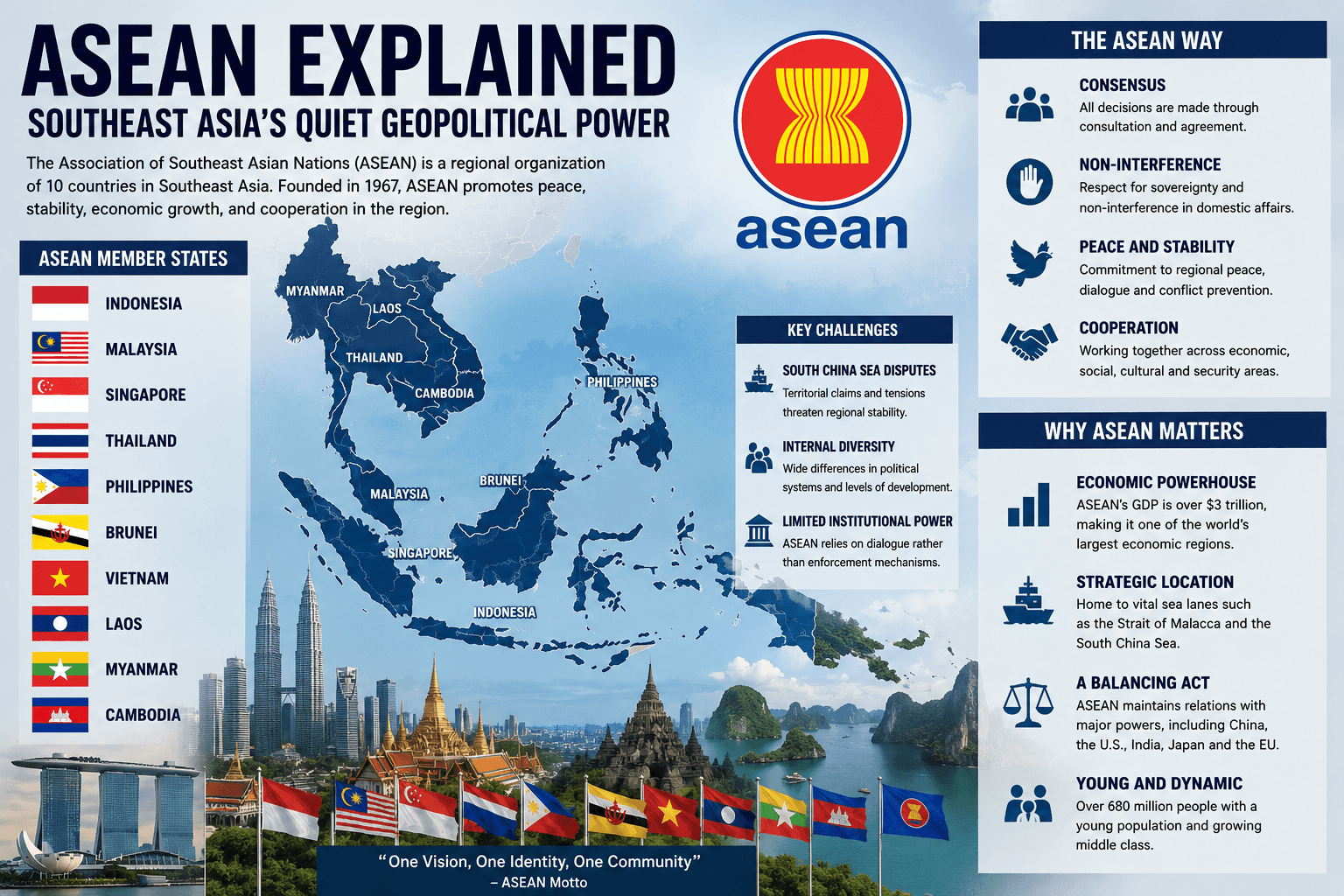
ASEAN Explained: Southeast Asia’s Quiet Geopolitical Power

ASEAN Explained: Southeast Asia’s Quiet Geopolitical Power

Founded during the Cold War, ASEAN has evolved from a small anti-communist regional grouping into a powerful diplomatic and economic organization representing more than 680 million people. Today, ASEAN sits at the center of some of the world’s most important geopolitical tensions, including the rivalry between the United States and China, disputes in the South China Sea, global supply chain competition, and the future of the Indo-Pacific.

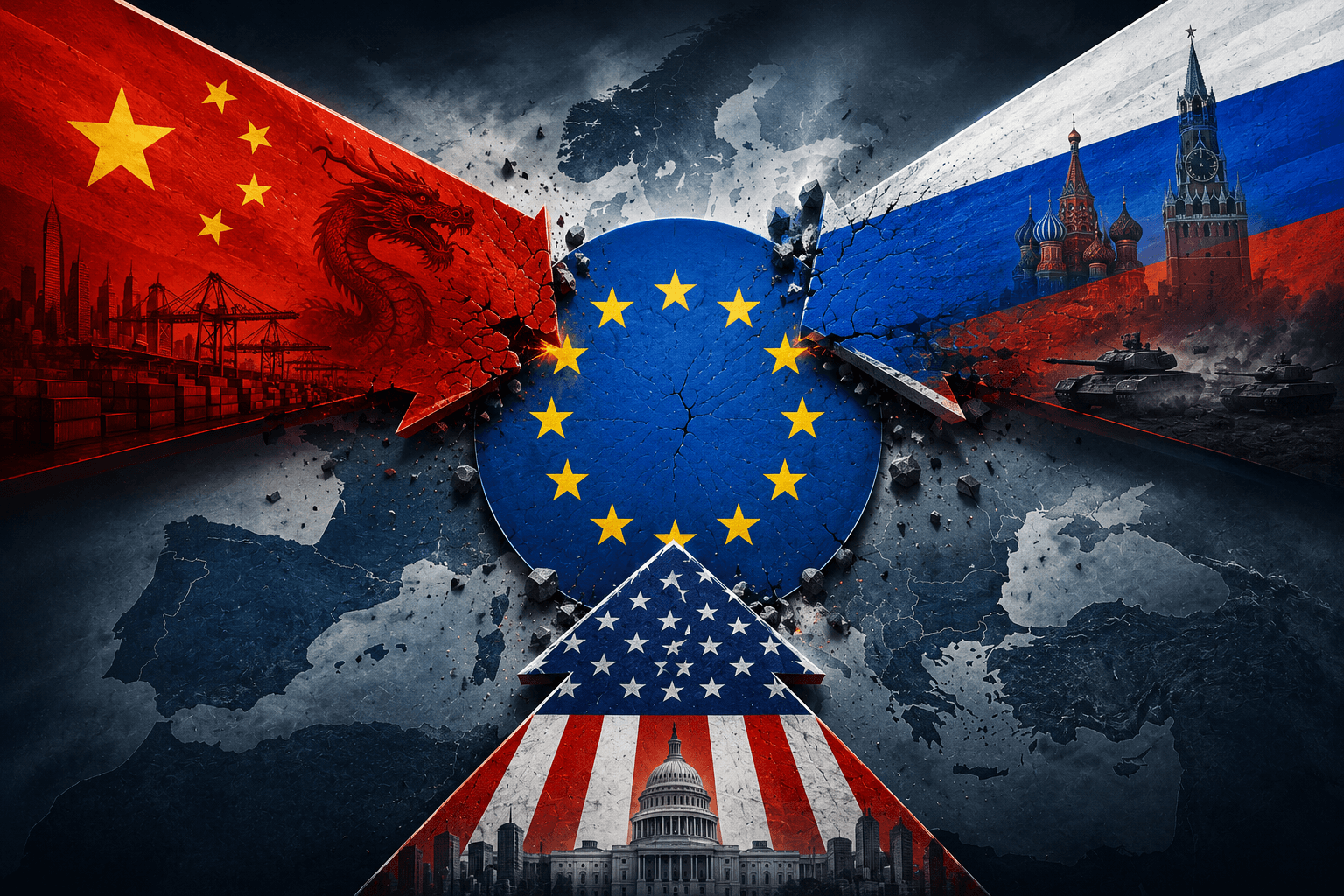
Triangular Diplomacy and the European Union: From the Cold War to a New Geopolitical Reality

Triangular Diplomacy and the European Union: From the Cold War to a New Geopolitical Reality

Triangular diplomacy has shaped global politics for more than seven decades. The concept refers to the strategic interaction between three major powers, each attempting to balance, manipulate, or cooperate with the others in order to maximize its own geopolitical advantage. During the Cold War, the triangle formed by the United States, the Soviet Union, and Communist China fundamentally transformed the international system. Today, a new version of triangular diplomacy is emerging, one with profound implications for the European Union.

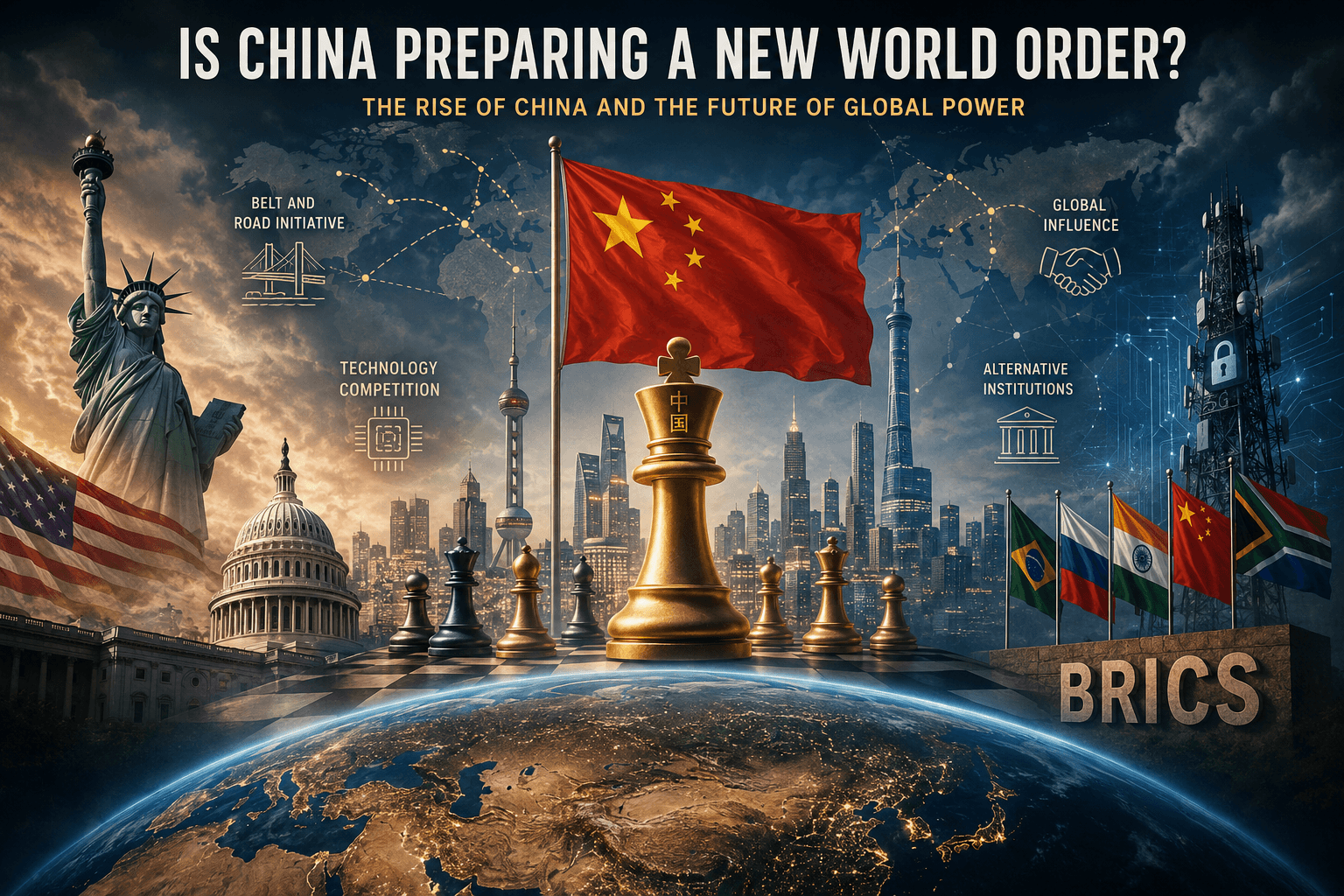
Is China Preparing a New World Order?

Is China Preparing a New World Order?

For most of the post-Cold War era, the international system revolved around a single dominant power: the United States. American military superiority, the dominance of the dollar, Western technological leadership, and institutions created after the Second World War shaped what many described as a “rules-based international order.” Yet in the early twenty-first century, another power has emerged with the ambition, economic strength, and geopolitical patience necessary to challenge that system: China.

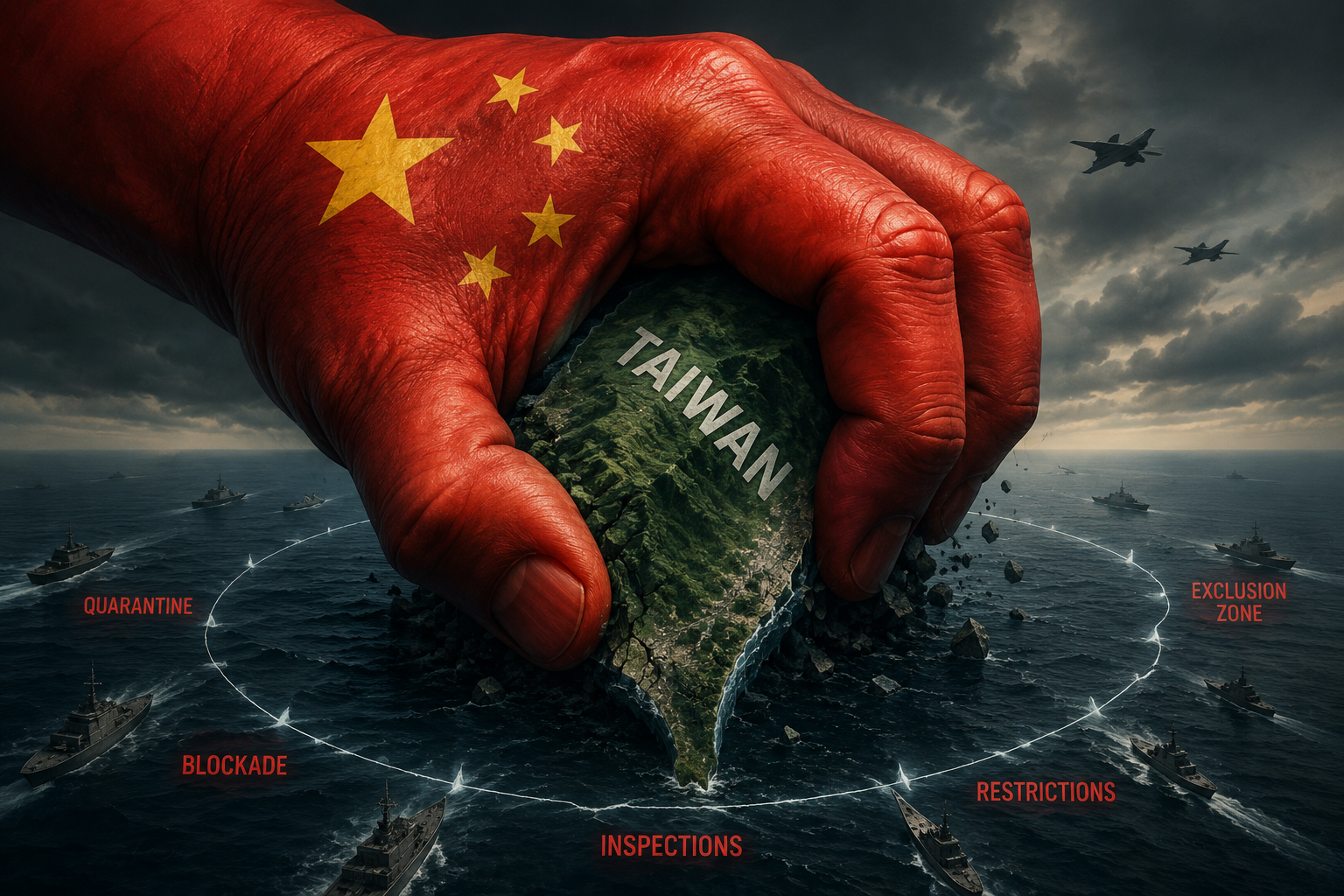
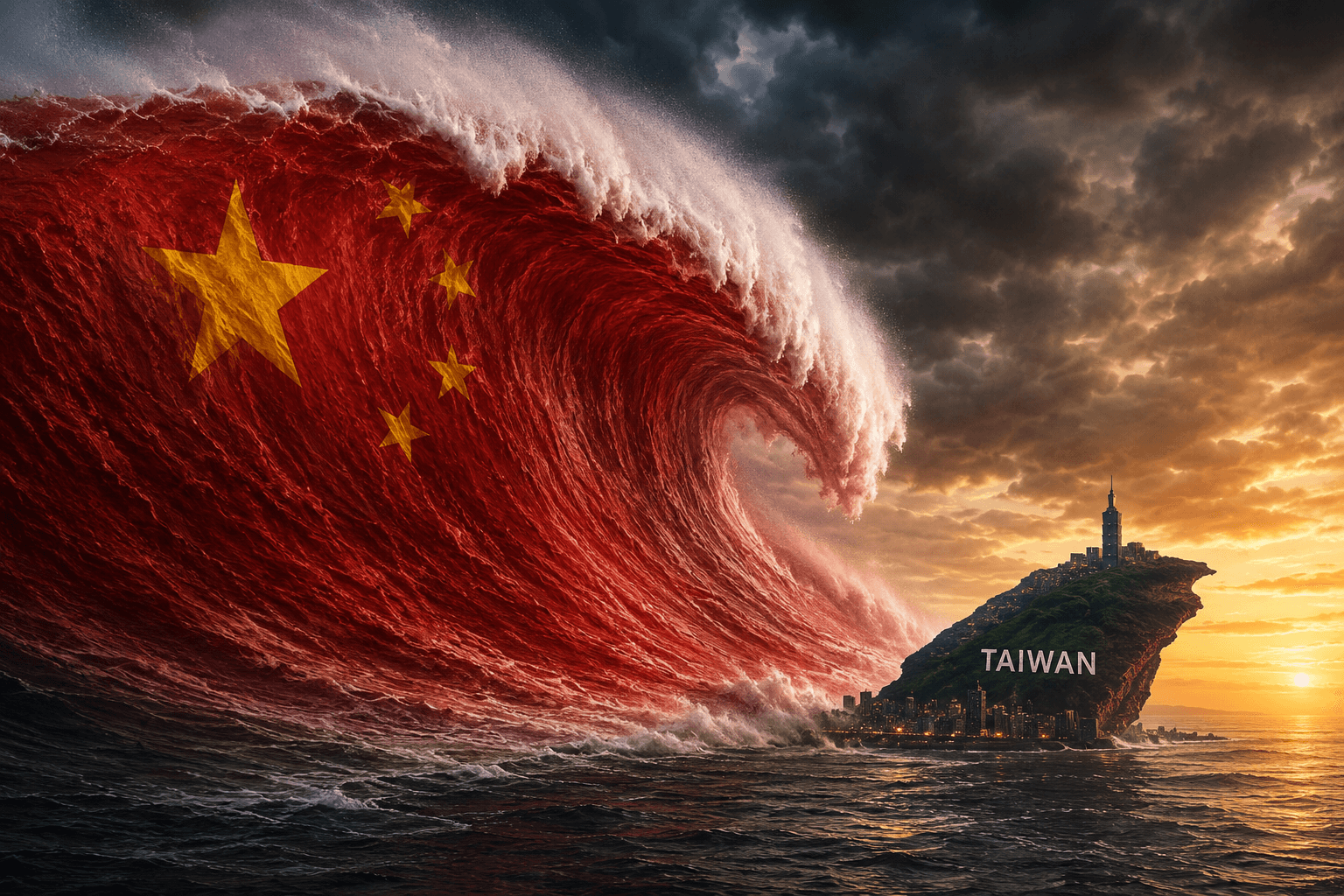
The Taiwanese Gambit: Trading Taiwan to Solve the North Korean Nuclear Crisis?

The Taiwanese Gambit: Trading Taiwan to Solve the North Korean Nuclear Crisis?

The North Korean Issue on the International Agenda We may safely say that the North Korean nuclear issue has returned to the forefront of the international agenda in the context of the second term of Donald Trump. The reemergence of this challenge highlights the persistence of a problem that has preoccupied successive White House administrations … Read more

Why the South China Sea Is Becoming the World’s Most Dangerous Flashpoint: China’s Expanding Offensive

Why the South China Sea Is Becoming the World’s Most Dangerous Flashpoint: China’s Expanding Offensive

The South China Sea has emerged as one of the most strategically vital—and contested—regions in the world. Stretching across key maritime routes that connect Asia to global markets, this body of water is not only an economic lifeline but also a geopolitical pressure cooker. In recent years, China’s increasingly assertive actions have transformed the area … Read more

The Hidden Strategy: How Pressure on Iran and Venezuela Could Be Part of Washington’s China Play

The Hidden Strategy: How Pressure on Iran and Venezuela Could Be Part of Washington’s China Play

In recent years, U.S. actions toward Iran and Venezuela have often been interpreted through familiar lenses: nuclear proliferation, sanctions enforcement, or ideological rivalry. Yet another explanation is gaining attention among analysts. Some observers argue that the Trump administration’s pressure on both countries may form part of a broader geopolitical strategy aimed at countering China’s expanding … Read more

North Korea’s Nuclear Weapons Program: History, Arsenal, and Missiles

North Korea’s Nuclear Weapons Program: History, Arsenal, and Missiles

North Korea’s nuclear weapons program is one of the most contentious security challenges of the 21st century. Over nearly three decades, the Democratic People’s Republic of Korea (DPRK) has developed nuclear devices, conducted multiple tests, and created a range of delivery systems capable of threatening regional and global targets. This article presents a fact-based overview of the program, its historical evolution, key capabilities, and delivery technologies.