What If the People’s Republic of China Is the Rebel Province, Not Taiwan?

What If the People’s Republic of China Is the Rebel Province, Not Taiwan?

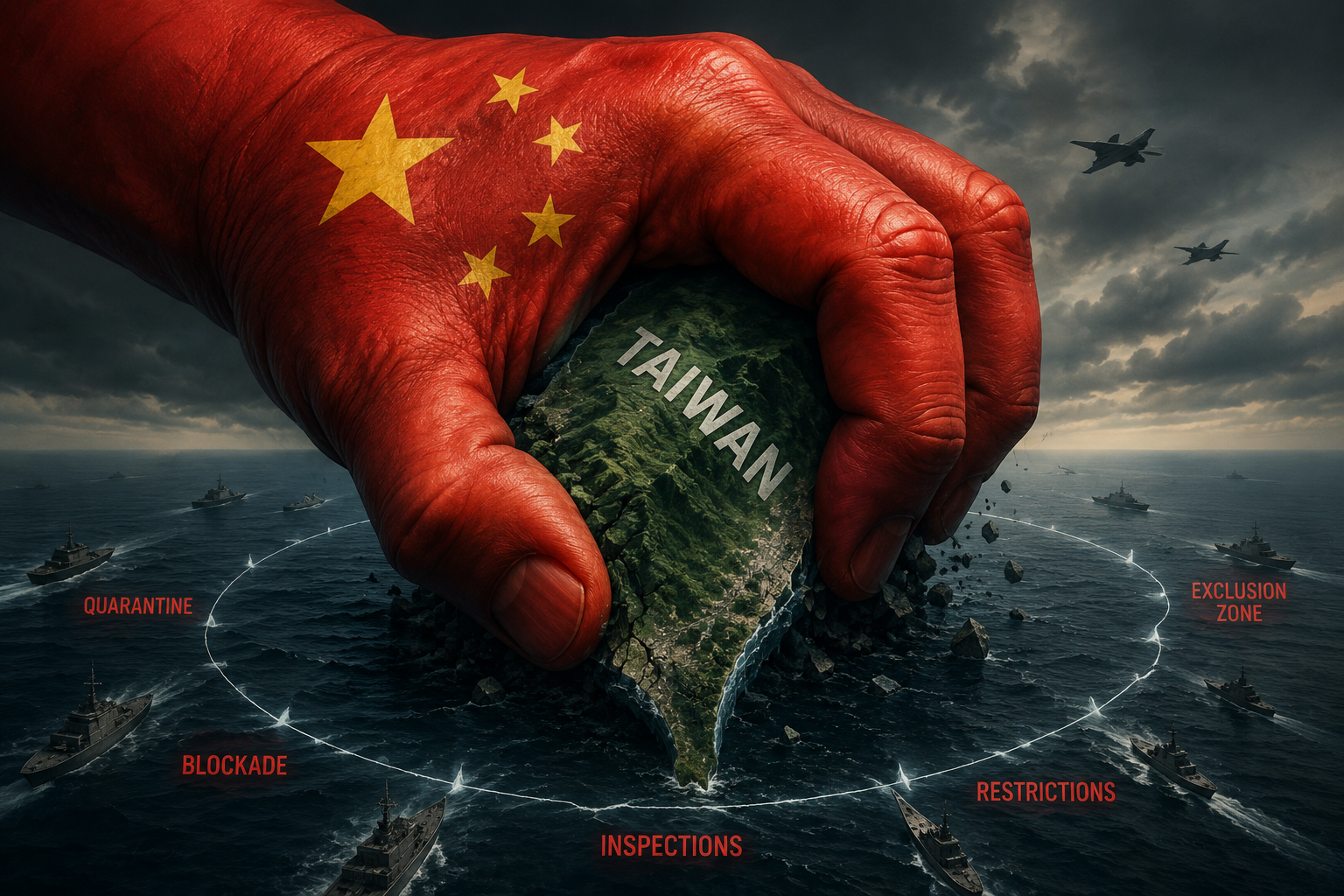
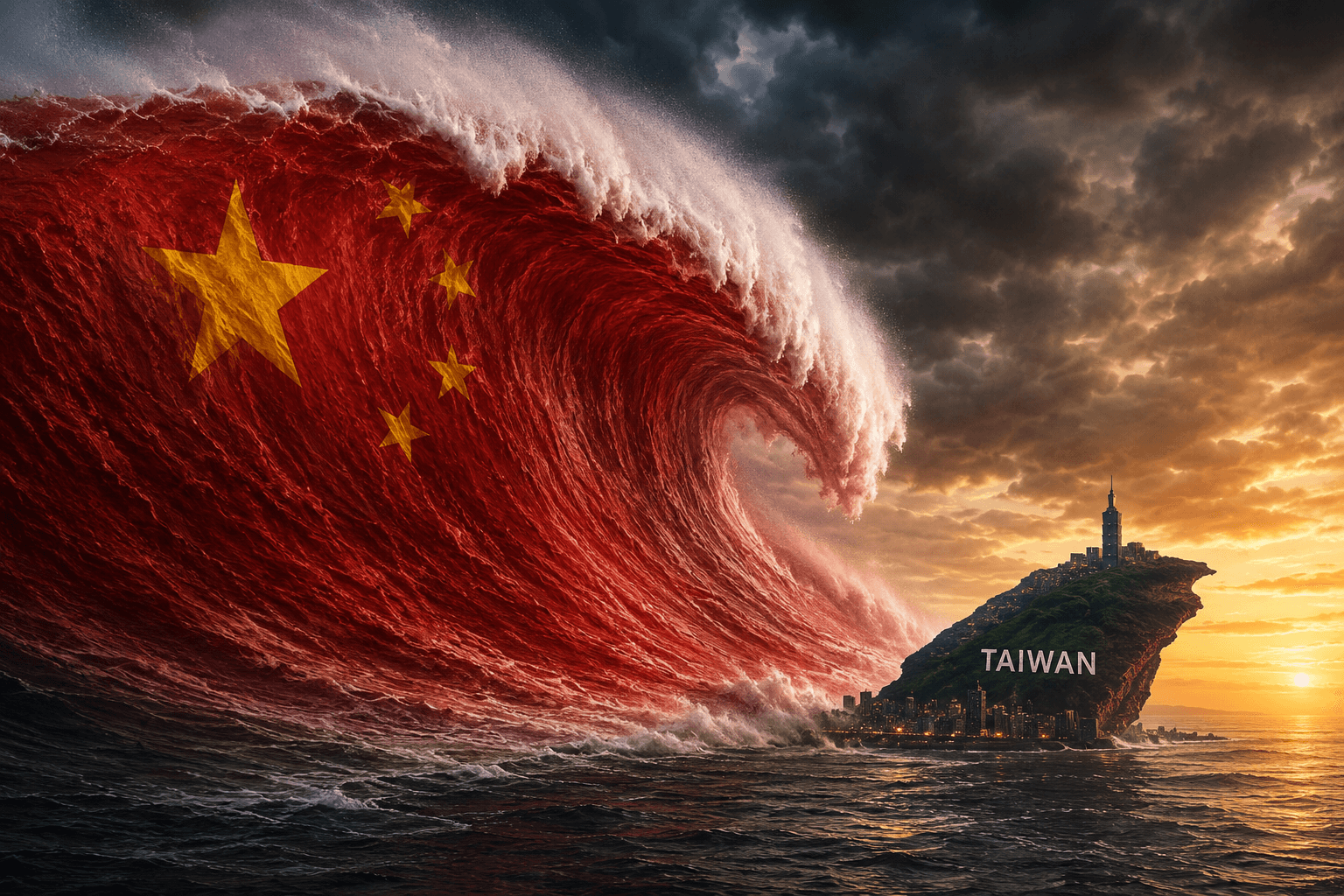
The phrase “Taiwan is a rebel province” has become so deeply embedded in discussions of the Taiwan Strait that its historical assumptions are rarely examined. The People’s Republic of China (PRC) maintains that Taiwan is an inseparable part of China, temporarily separated from the mainland by the unfinished consequences of the Chinese Civil War. From … Read more

What Trump Told NATO Allies—and What He Did Not Tell Them

What Trump Told NATO Allies—and What He Did Not Tell Them

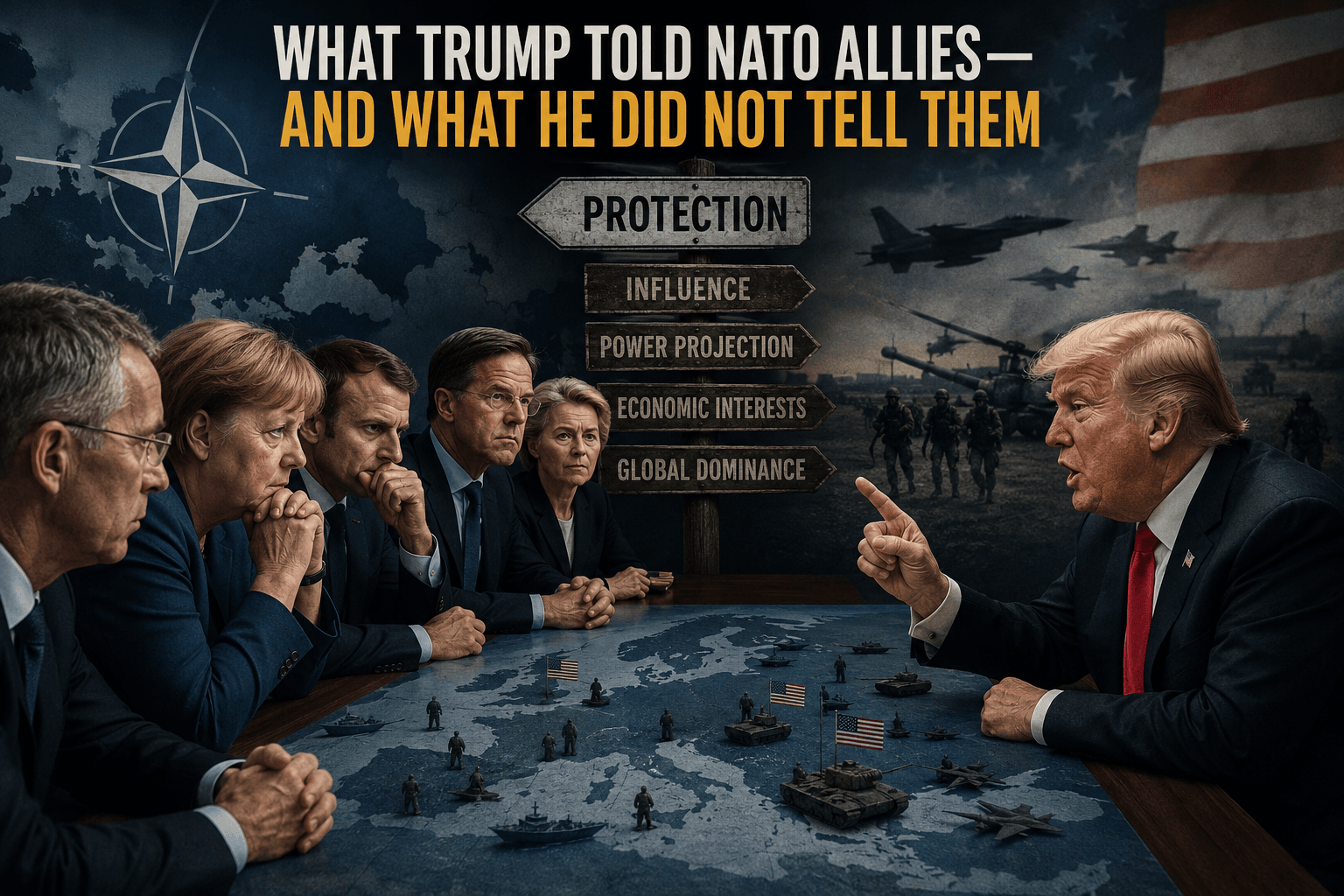
Donald Trump’s criticism of NATO rests on a simple and politically effective argument: the United States has spent enormous amounts of money defending Europe, while wealthy European countries neglected their own militaries and relied on American protection. There is considerable truth in this accusation. But it is only part of the story. What Trump rarely … Read more

Trump vs. Iran – Did the United States Win the War but Lose the Peace?

Trump vs. Iran – Did the United States Win the War but Lose the Peace?

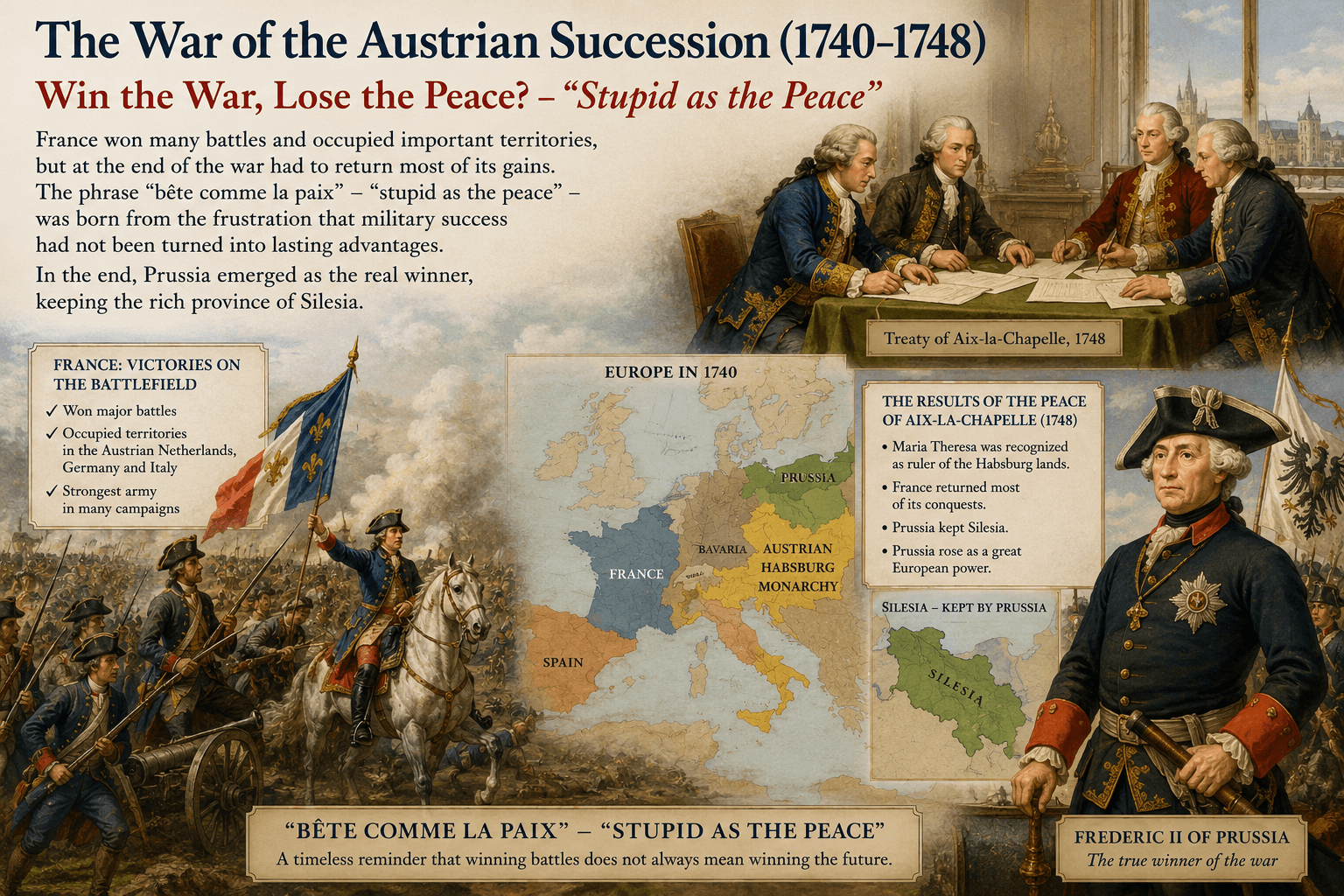
History offers many examples of military victories that failed to deliver lasting political gains. One of the most famous comes from the War of the Austrian Succession (1740–1748), when France won important battles and occupied significant territories, only to return most of its conquests in the peace settlement. Many contemporaries felt that French military achievements had been squandered by diplomacy, giving rise to the expression “bête comme la paix” (“stupid as the peace”). While France had often prevailed on the battlefield, it was Prussia that emerged as the conflict’s principal beneficiary by retaining the rich province of Silesia. Nearly three centuries later, a similar question is being asked about the confrontation between the United States and Iran: did Washington achieve a military victory only to discover that winning the peace may prove far more difficult than winning the war?

ANZUS: The Security Alliance Shaping the Pacific

ANZUS: The Security Alliance Shaping the Pacific

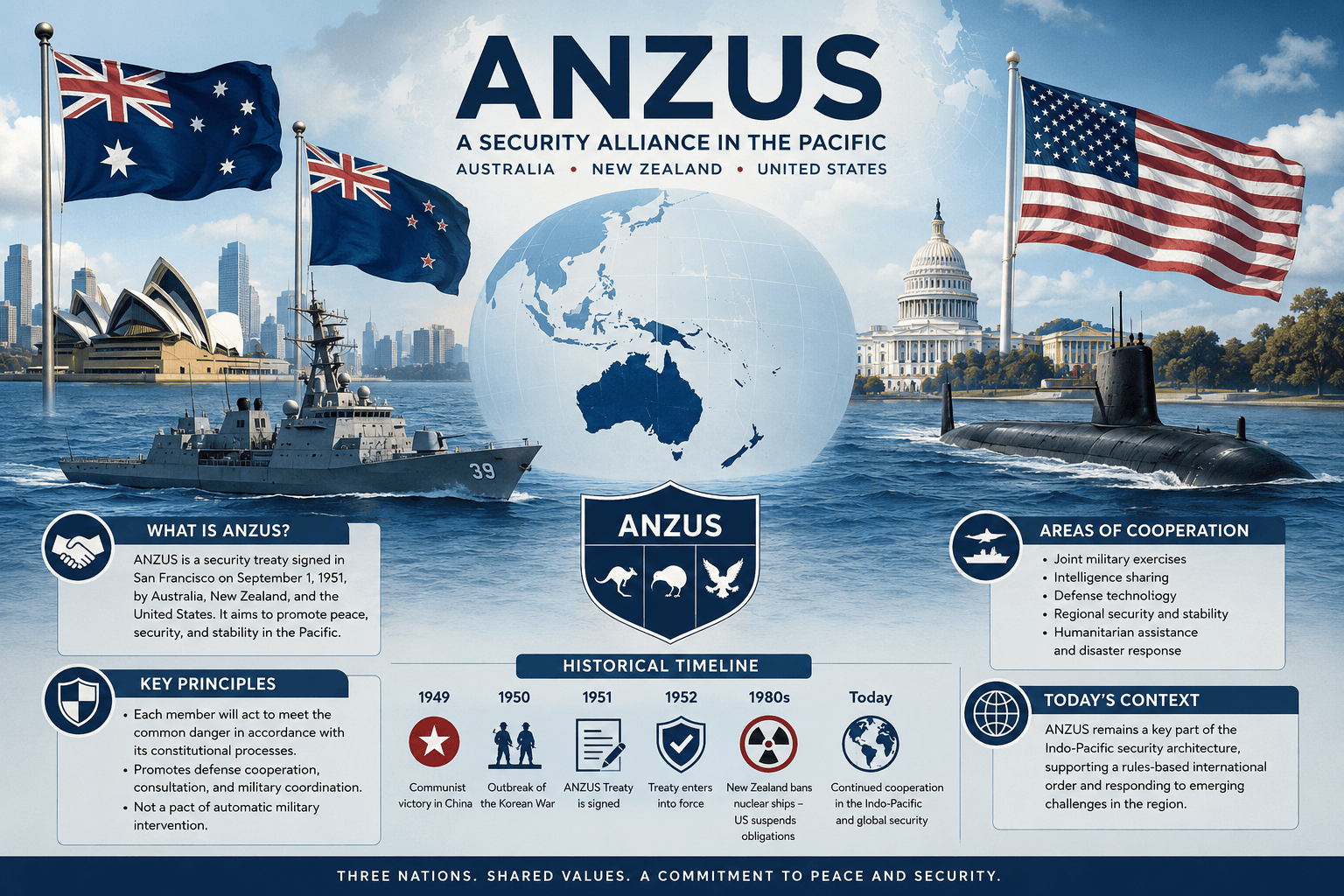
What Is ANZUS? ANZUS is a trilateral security treaty signed in 1951 by Australia, New Zealand, and United States. Officially known as the ANZUS Treaty, the agreement was created during the early years of the Cold War to strengthen security cooperation in the Pacific region. The treaty was signed in San Francisco on September 1, … Read more

ASEAN Explained: Southeast Asia’s Quiet Geopolitical Power

ASEAN Explained: Southeast Asia’s Quiet Geopolitical Power

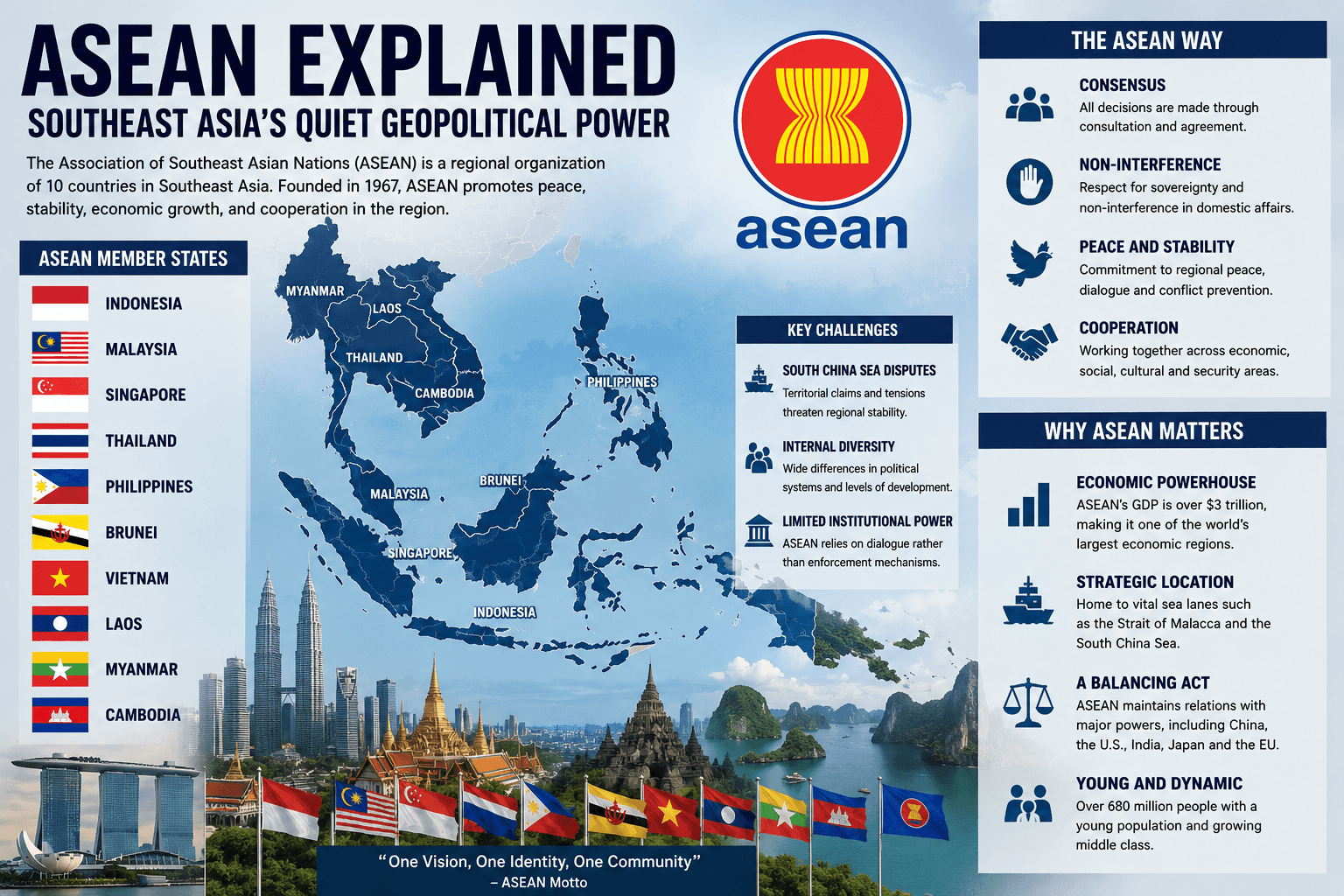
Founded during the Cold War, ASEAN has evolved from a small anti-communist regional grouping into a powerful diplomatic and economic organization representing more than 680 million people. Today, ASEAN sits at the center of some of the world’s most important geopolitical tensions, including the rivalry between the United States and China, disputes in the South China Sea, global supply chain competition, and the future of the Indo-Pacific.

Triangular Diplomacy and the European Union: From the Cold War to a New Geopolitical Reality

Triangular Diplomacy and the European Union: From the Cold War to a New Geopolitical Reality

Triangular diplomacy has shaped global politics for more than seven decades. The concept refers to the strategic interaction between three major powers, each attempting to balance, manipulate, or cooperate with the others in order to maximize its own geopolitical advantage. During the Cold War, the triangle formed by the United States, the Soviet Union, and Communist China fundamentally transformed the international system. Today, a new version of triangular diplomacy is emerging, one with profound implications for the European Union.

BRICS: What It Is and What It Wants to Become

BRICS: What It Is and What It Wants to Become

In recent years, BRICS has evolved from a loose economic concept into one of the most discussed geopolitical blocs in the world. Originally formed by Brazil, Russia, India, China, and South Africa, the organization now seeks to present itself as a major alternative voice to the Western-led international order. Supporters see BRICS as a platform for multipolarity, economic cooperation, and reform of global institutions. Critics, however, argue that the bloc suffers from deep internal contradictions, limited cohesion, and unrealistic ambitions.

error: