Geopolitical Articles and Strategic Analysis
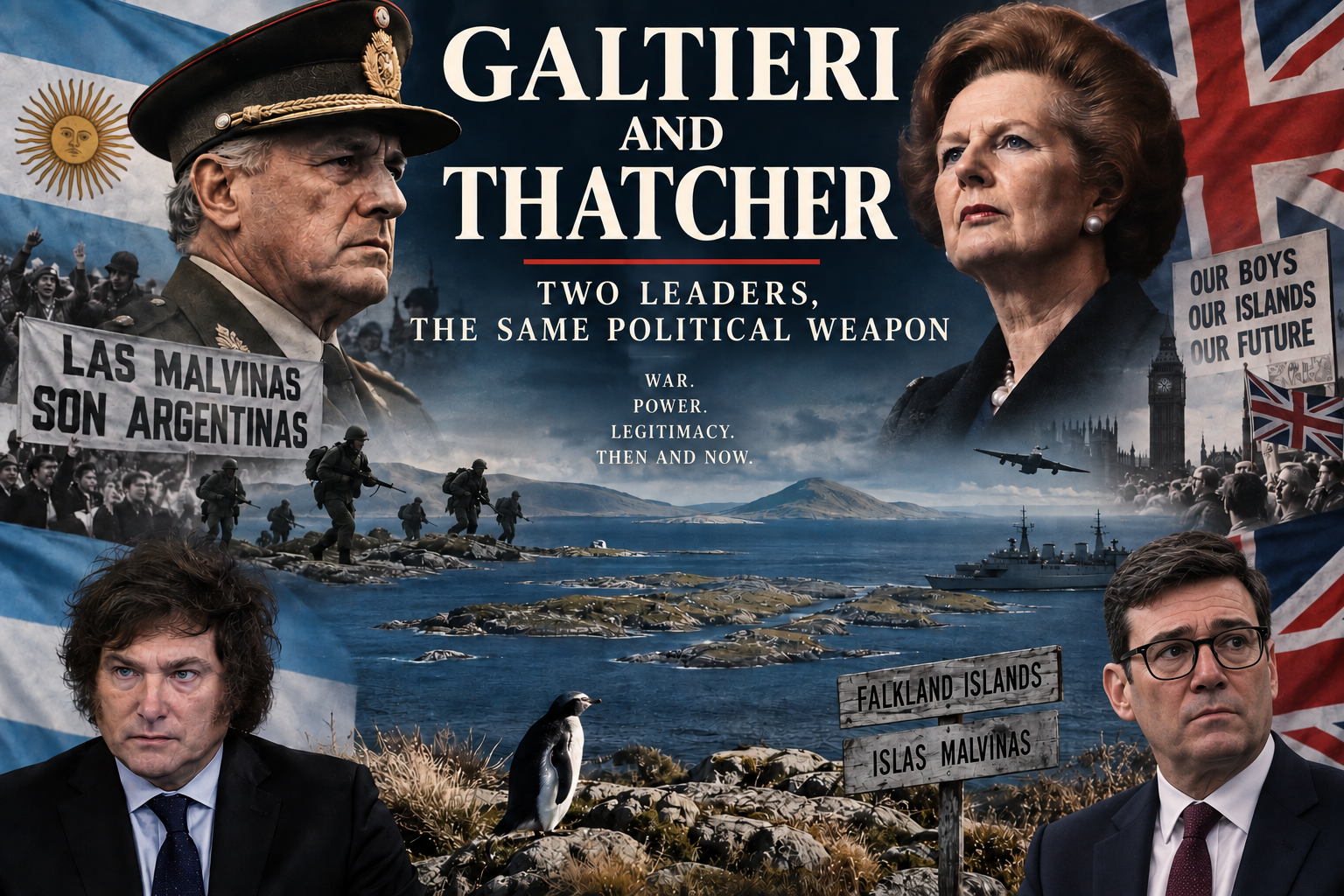
Galtieri and Thatcher: Two Leaders, the Same Political Weapon
There is an old rule in politics that has survived the transition from ancient kingdoms to modern democracies: military victory creates political legitimacy. Alexander the Great understood it. Julius Caesar understood it. Napoleon understood it. So did countless kings, emperors and presidents who discovered that a successful war can transform a weak ruler into a…

Japan’s Apology Was Never the Point
Why the 1995 Murayama Statement Could Not Solve East Asia’s History Problem Author: Finley Southall In November 2025, after a diplomatic row between Beijing and Tokyo over Taiwan escalated, China’s Foreign Ministry spokesperson Mao Ning posted a video on social media recalling the 1995 Murayama Statement, Japan’s most comprehensive wartime apology, saying it was “high…
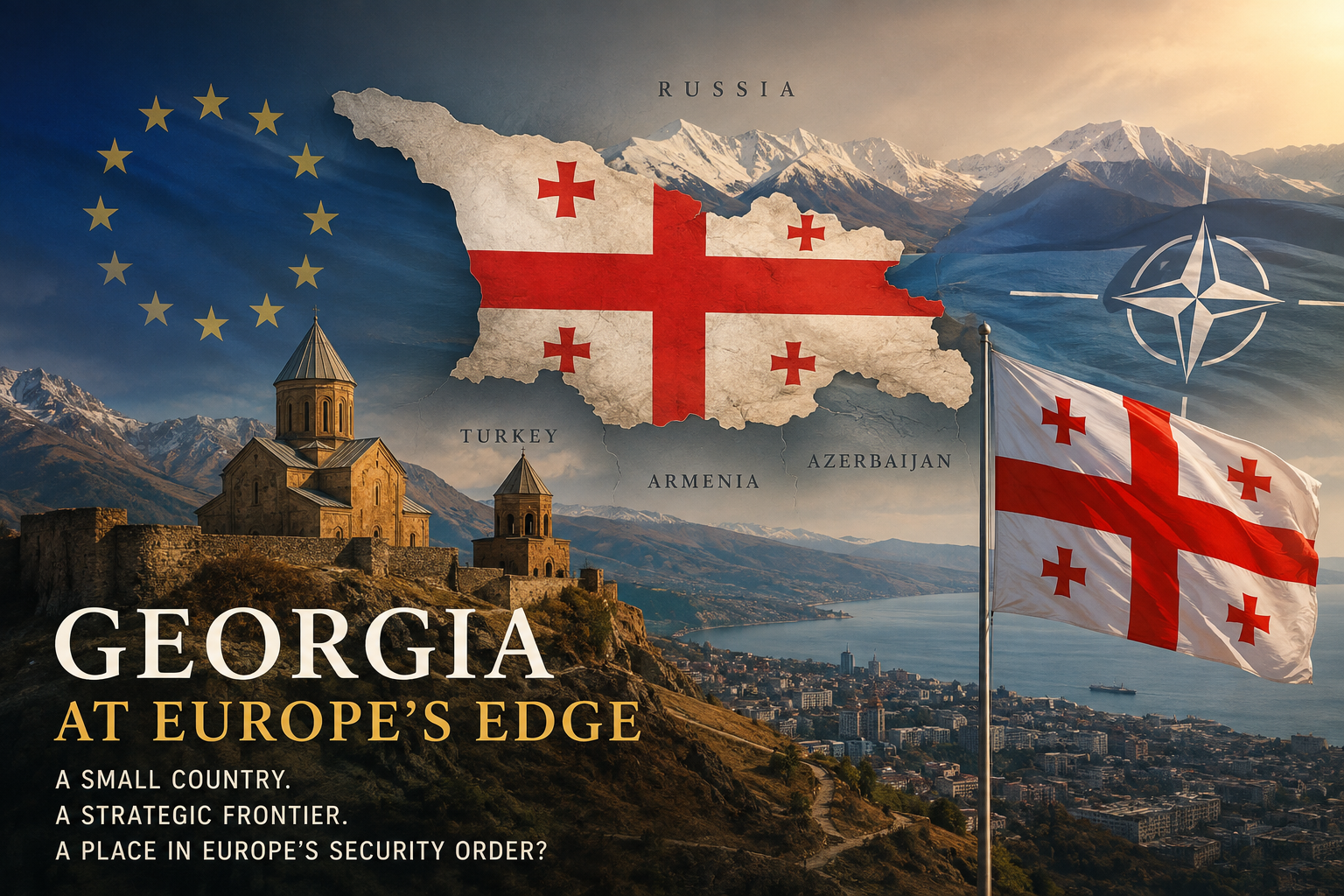
The Country at Europe’s Edge: Does Georgia Have a Place in the European Security Order ?
Author: Liza Dzanashvili “I am Georgian, and therefore I am European.” In 1999, speaking at the European Parliament, Georgia’s then Prime Minister Zurab Zhvania offered a sentence that would become on of the most recognizable expressions of Georgia’s European identity. It was more than a diplomatic declaration. For a country emerging from the collapse of…
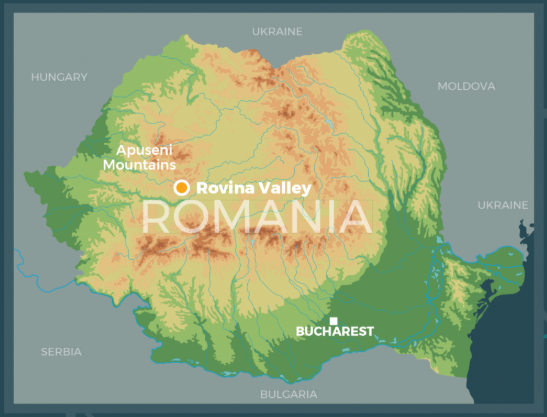
Romania Cannot Afford to Say No to Euro Sun Mining’s Rovina Valley Project
Author: Robert Saudelli In 2025, the European Commission designated The Rovina Valley Project of Euro Sun Mining as strategically important to Europe’s raw materials supply. It was among the first batch of companies to receive such a designation. However, that assigned designation only means something if Romania actually acts on it. Now, as the Rovina…

Israel and Turkey in Post-Assad Syria: An Emerging Security Dilemma
Author: Salma El Bantaoui Israel’s August 18 airstrikes on the Abu al-Duhur airbase in northwestern Syria were more than another episode in the long history of Israeli military operations on Syrian territory. Eight strikes reportedly hit the runway and storage facilities, without reported casualties. Israel argued that Damascus was close to allowing Turkish troops to…
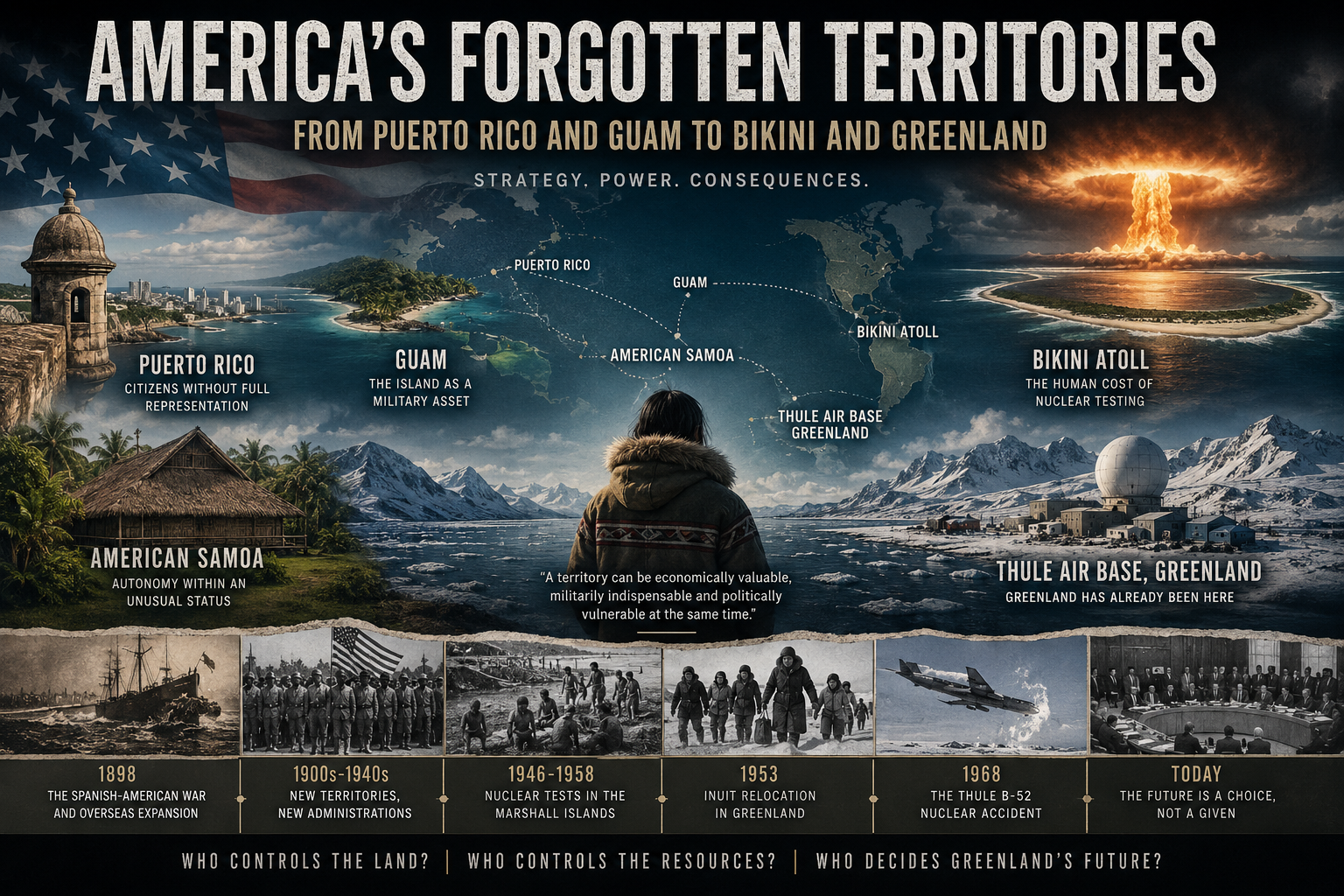
America’s Forgotten Territories: From Puerto Rico and Guam to Bikini and Greenland
The American Empire That Is Not Quite an Empire The United States is rarely described as a colonial power. Unlike Britain, France, Spain or Portugal, modern America does not possess a conventional overseas empire governed through a large network of colonies. Yet the United States does possess territories outside the fifty states, and their political…
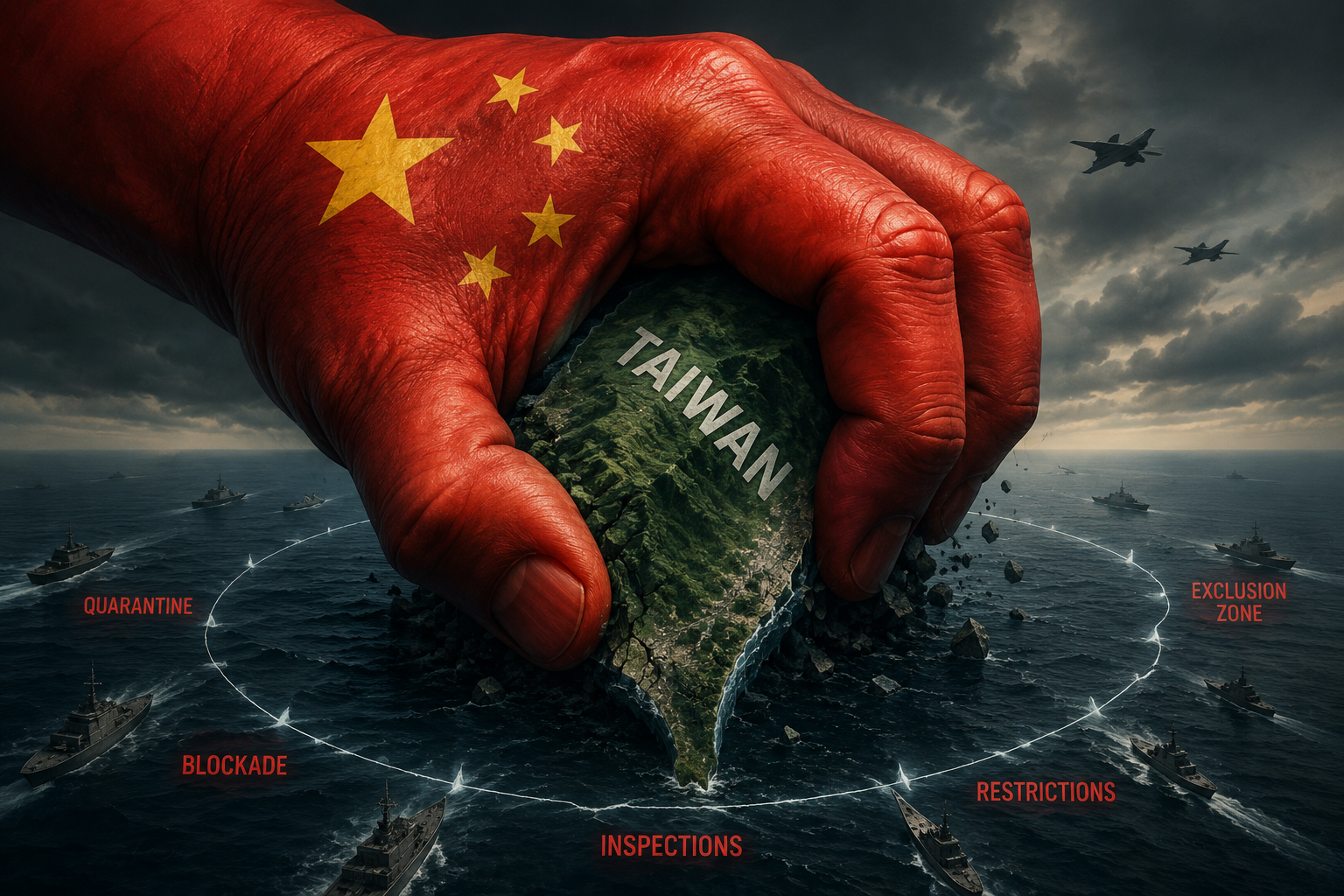
The Island Siege: From Britain and Japan to Taiwan
Why China May Not Need to Invade Taiwan to Defeat It An island does not have to be conquered to be defeated. That proposition has appeared repeatedly throughout modern history. From the naval blockade of Cuba in 1898 to Germany’s submarine campaign against Britain in the First World War, from the strangulation of Japan in…
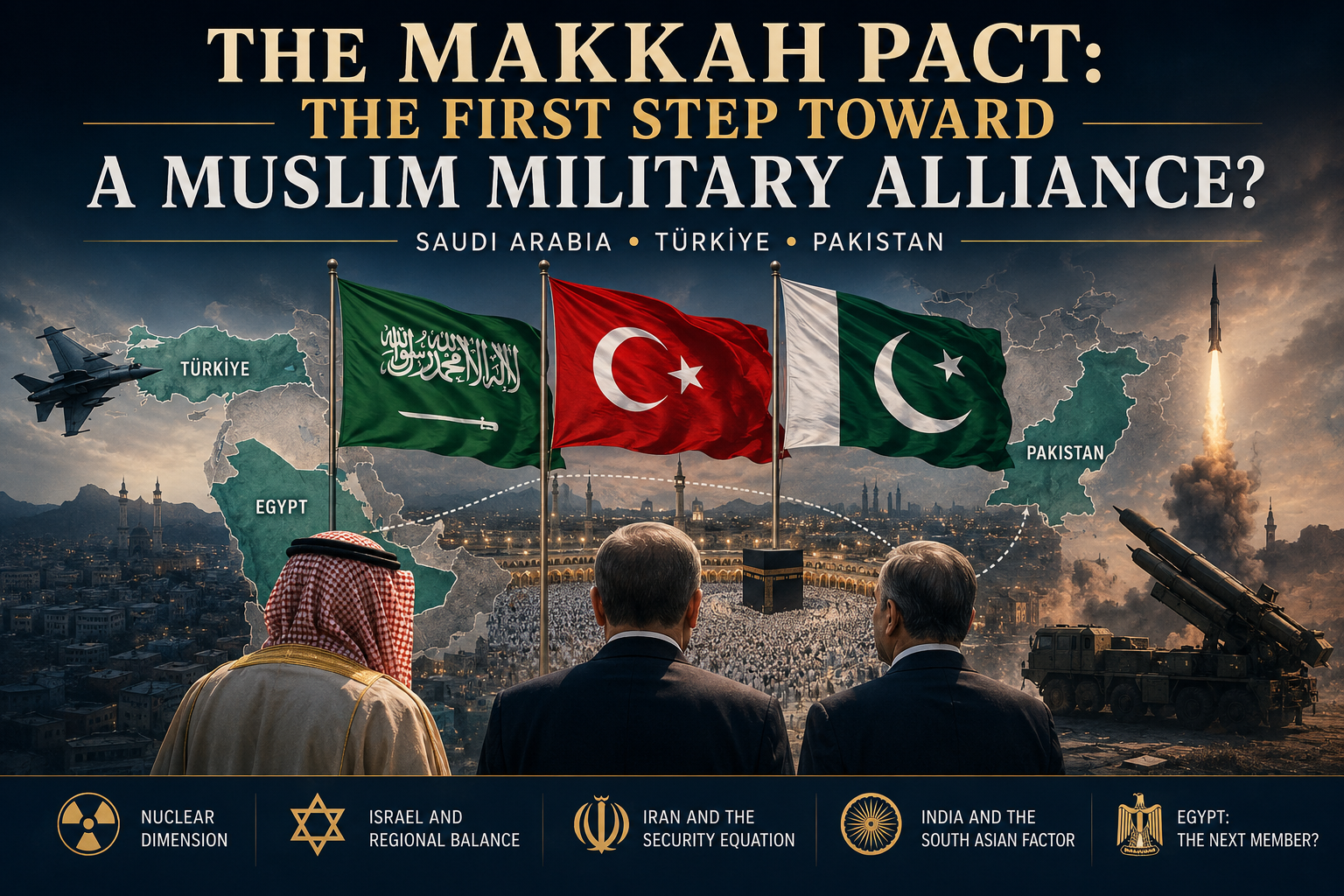
The Makkah Pact: The First Step Toward a Muslim Military Alliance?
On 7 August 2026, Saudi Arabia, Türkiye and Pakistan signed the Makkah Joint Defence Agreement, establishing a collective-defence framework at a moment when the security architecture of the Middle East is undergoing profound change. The agreement states that an armed attack against any one of the three signatories will be regarded as an attack against…
The Invisible Frontline: Why Undersea Cables Have Become the World’s Most Strategic Infrastructure
How the battle for the ocean floor is reshaping global power The Geography of Power Has Changed Geopolitical power has always been inseparable from the ability to control the principal arteries through which wealth, information, and military capabilities circulate. In different historical periods these arteries assumed different forms. During the age of empires, strategic advantage…
Europe Cannot Federalize Without Democratizing: Why Institutional Reform Must Come Before Deeper Integration
Subtitle: A Democratic Blueprint for Reforming the European Union Europe’s Real Problem Is Not Federalization The debate surrounding the future of the European Union has long been dominated by a familiar question: should Europe become a federation, or should it remain primarily a union of sovereign states? While this discussion continues to shape political discourse…
What If the People’s Republic of China Is the Rebel Province, Not Taiwan?
The phrase “Taiwan is a rebel province” has become so deeply embedded in discussions of the Taiwan Strait that its historical assumptions are rarely examined. The People’s Republic of China (PRC) maintains that Taiwan is an inseparable part of China, temporarily separated from the mainland by the unfinished consequences of the Chinese Civil War. From…
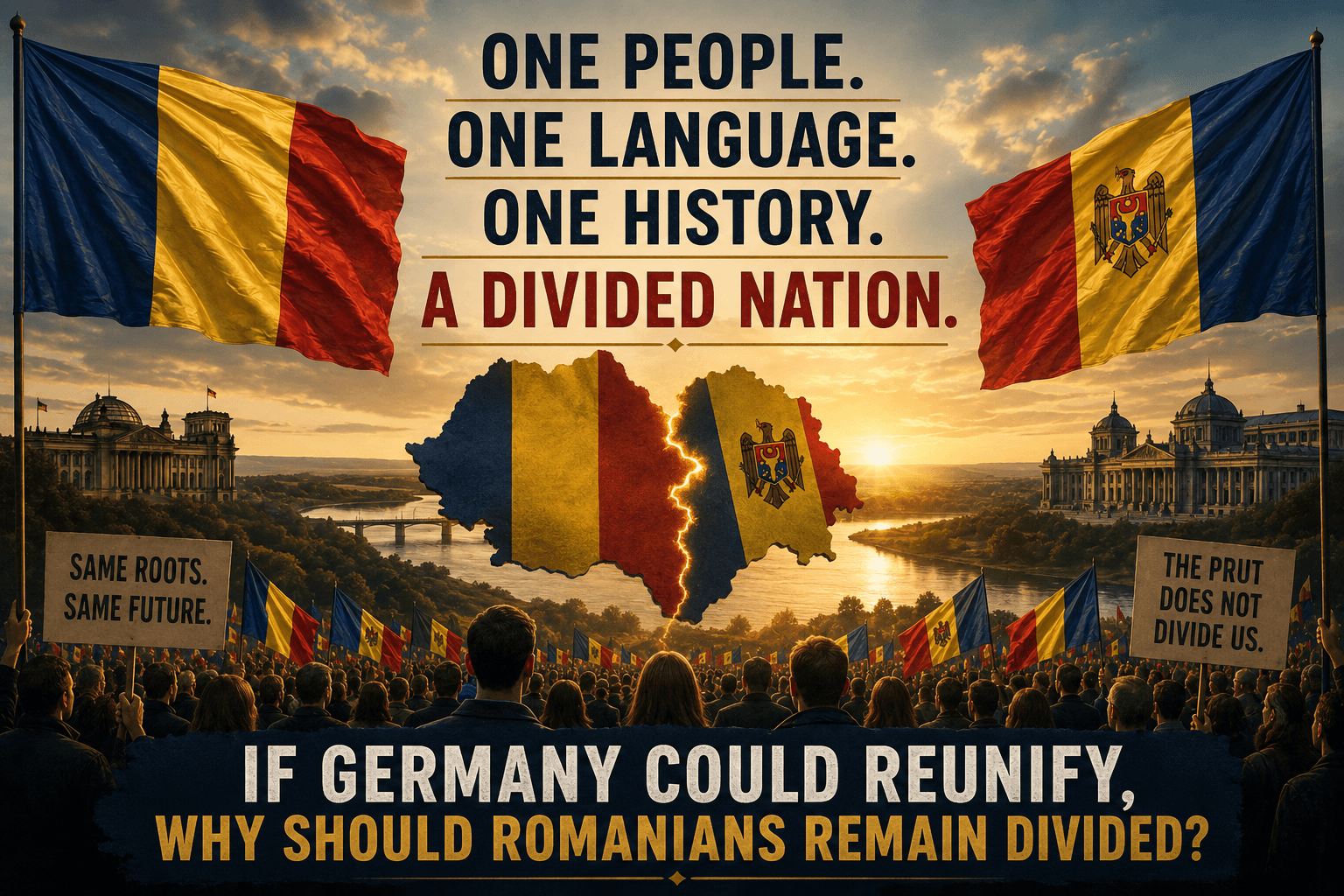
Why Was Germany Allowed to Reunify While Romanians Are Expected to Remain Divided?
The German ambassador’s controversial remarks in Moldova raise a larger question: why was German national reunification accepted as legitimate, while the political division of Romanian-speaking populations across the Prut is treated as a permanent geopolitical reality? A Diplomatic Controversy About More Than Diplomacy The controversy generated by the recent statements of Germany’s ambassador to the…