The Suwałki Corridor: Why This Narrow Strip of Land Matters to NATO Security

The Suwałki Corridor: Why This Narrow Strip of Land Matters to NATO Security

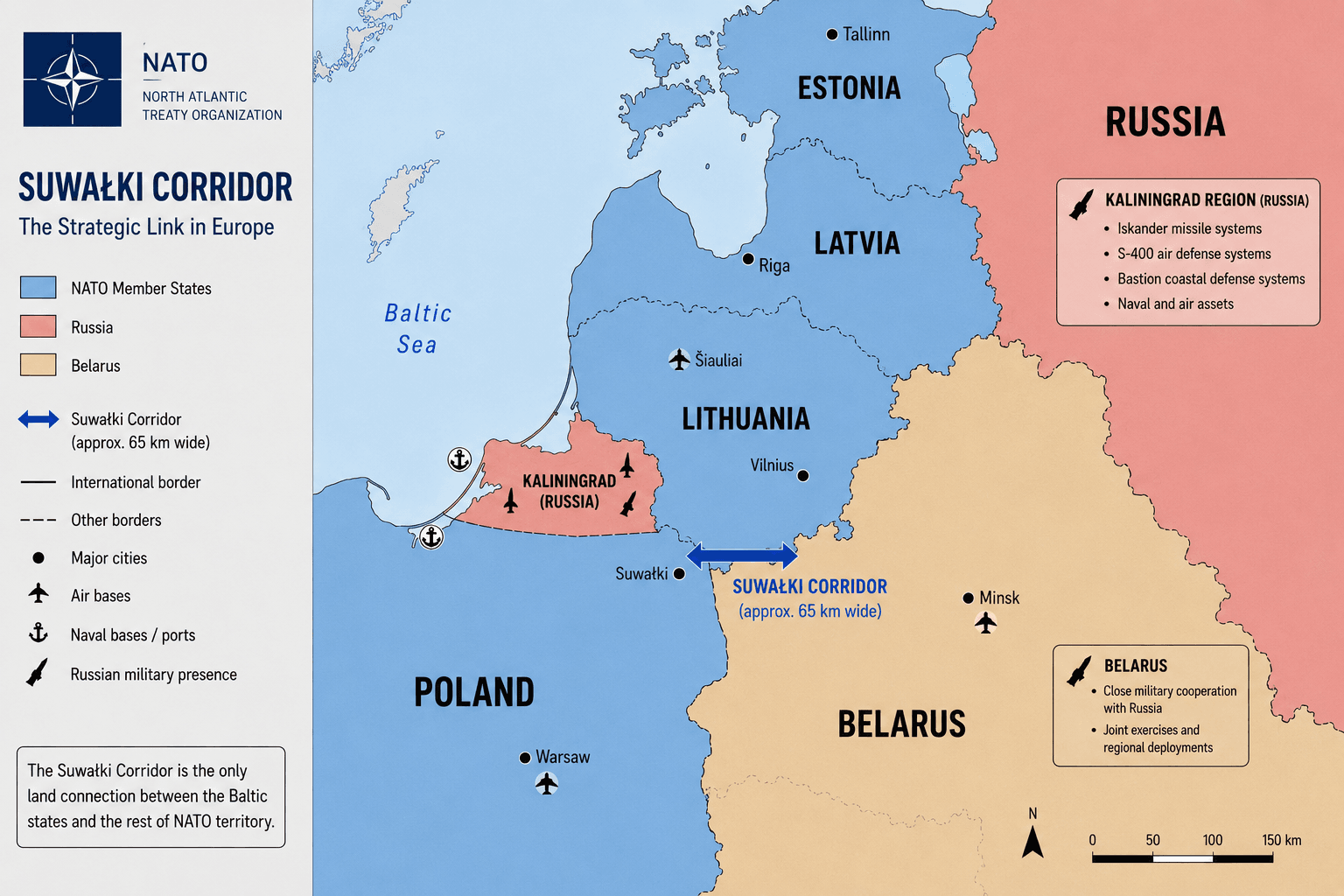
The Suwałki Corridor has become one of the most strategically important regions in Europe. Often described by military analysts as NATO’s most vulnerable geographic point on the alliance’s eastern flank, the corridor connects the Baltic states to the rest of NATO territory while separating Russia’s Kaliningrad exclave from Belarus. In recent years, rising tensions between NATO and Russia have transformed the Suwałki Corridor from a relatively obscure border region into a focal point of European security discussions.

Drone Strike in Romania Highlights Growing Security Risks on NATO’s Eastern Flank

Drone Strike in Romania Highlights Growing Security Risks on NATO’s Eastern Flank

The Russian drone strike that hit a residential apartment building in Galați, Romania, marks one of the most serious incidents involving NATO territory since the beginning of the war in Ukraine. Romanian authorities confirmed that the armed drone entered Romanian airspace during a large-scale Russian attack against southern Ukraine before crashing into a civilian building and injuring residents. The explosion caused panic, fires, and renewed fears across Eastern Europe regarding the spillover of the conflict beyond Ukraine’s borders.

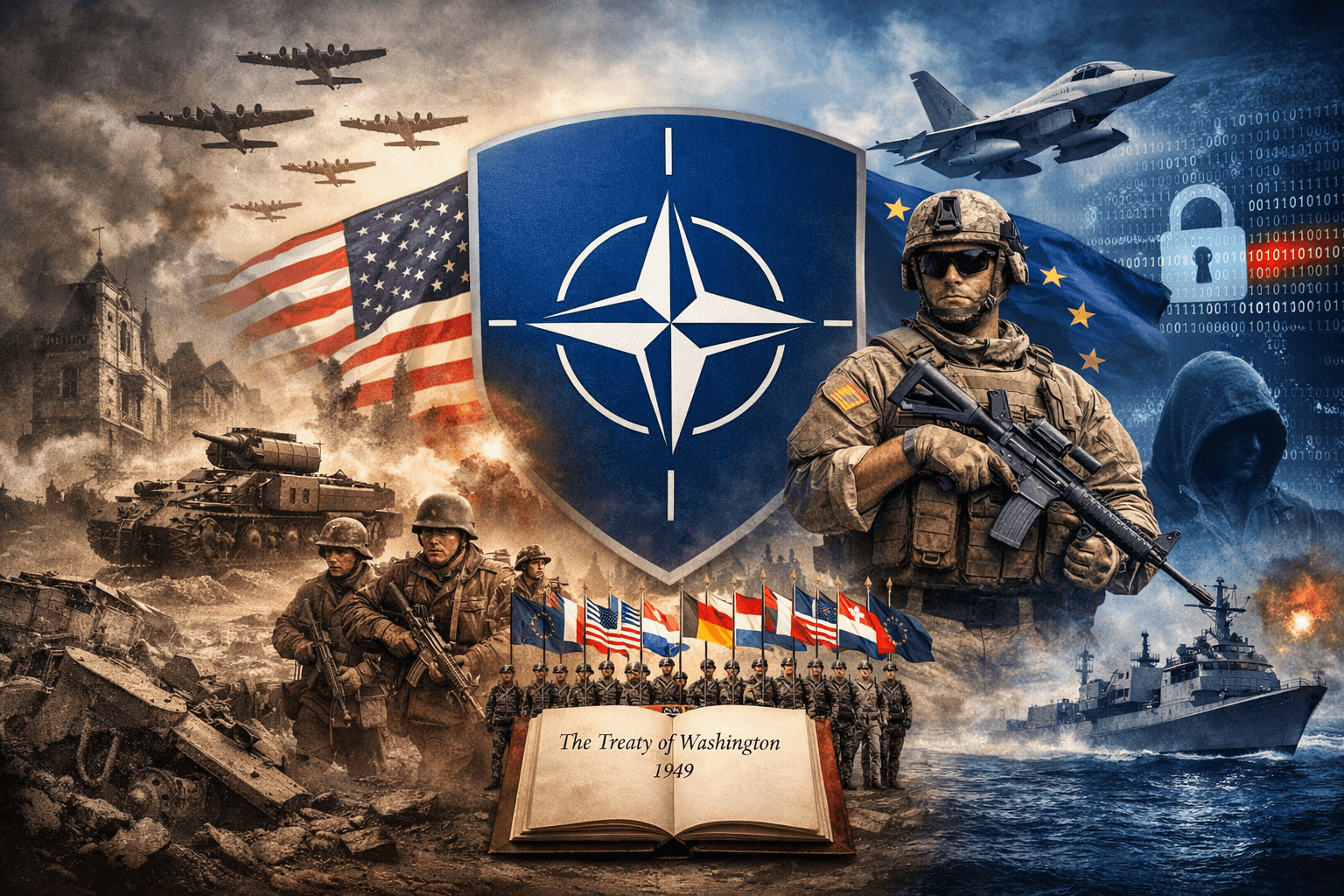
Does NATO Automatically Go to War? Article 5 Explained

Does NATO Automatically Go to War? Article 5 Explained

What NATO Article 5 Really Means—and Why It Is Designed to Prevent War Public debate often treats Article 5 of NATO as a mechanical trigger that automatically converts an attack on one member into a collective war involving all. This interpretation is both widespread and fundamentally incorrect. Article 5 is not a war trigger but … Read more

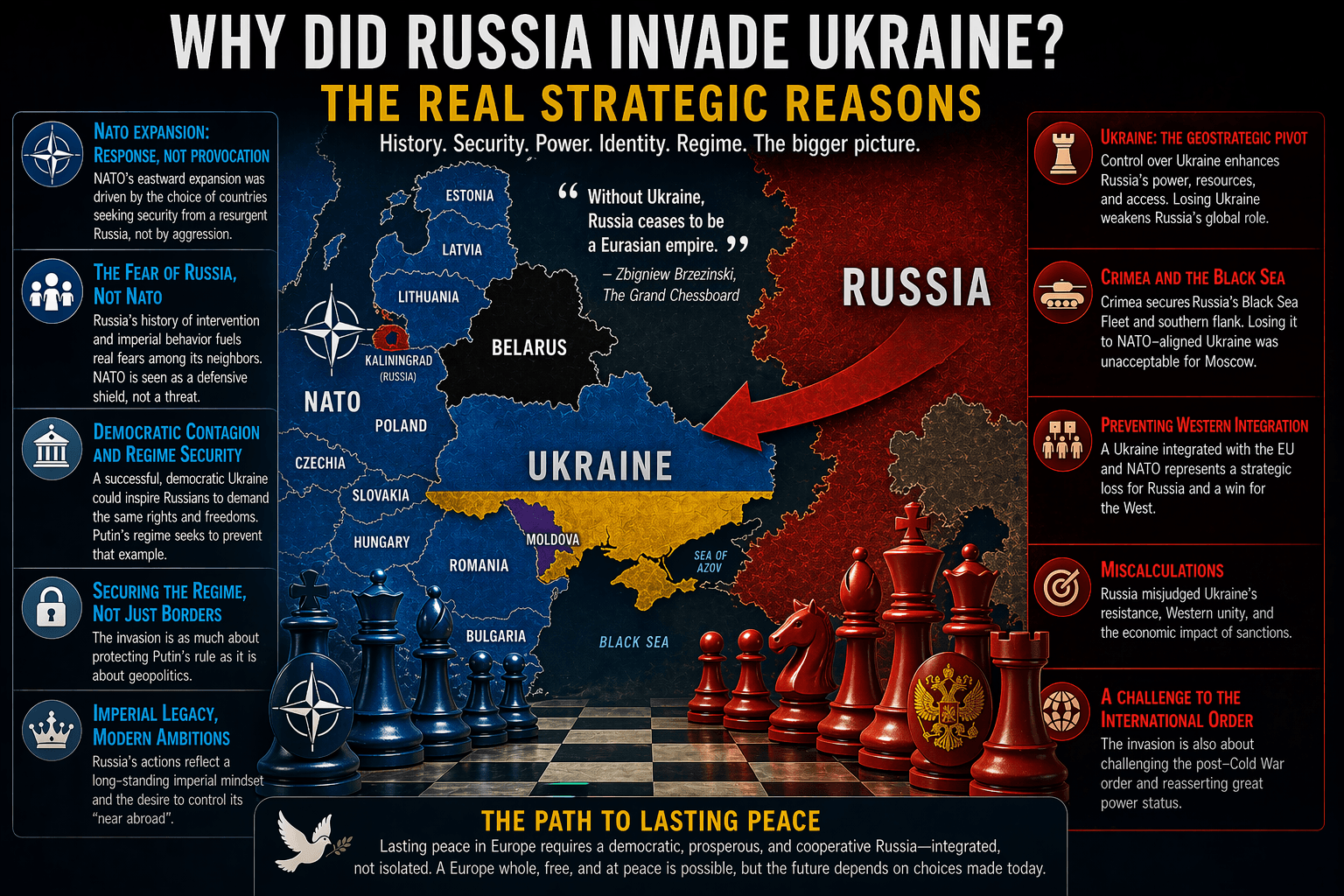
Why Did Russia Invade Ukraine? The Real Strategic Reasons

Why Did Russia Invade Ukraine? The Real Strategic Reasons

Introduction Russia’s full-scale invasion of Ukraine in February 2022 is one of the most consequential geopolitical events of the 21st century. Explaining it requires moving beyond single-cause narratives and examining a layered interaction of history, security concerns, regime dynamics, and competing visions of Europe’s future. This revised analysis incorporates a critical but evidence-based perspective often … Read more

The Virtues of the Paper Tiger: NATO in a Changing World

The Virtues of the Paper Tiger: NATO in a Changing World

Few international organizations have inspired as many contradictory labels as the North Atlantic Treaty Organization (NATO). To its critics, it has often appeared as a “paper tiger”—a cumbersome, consensus-bound alliance whose military might is diluted by political caution. To its supporters, however, NATO’s greatest strength lies precisely in those features: restraint, unity, and a shared … Read more

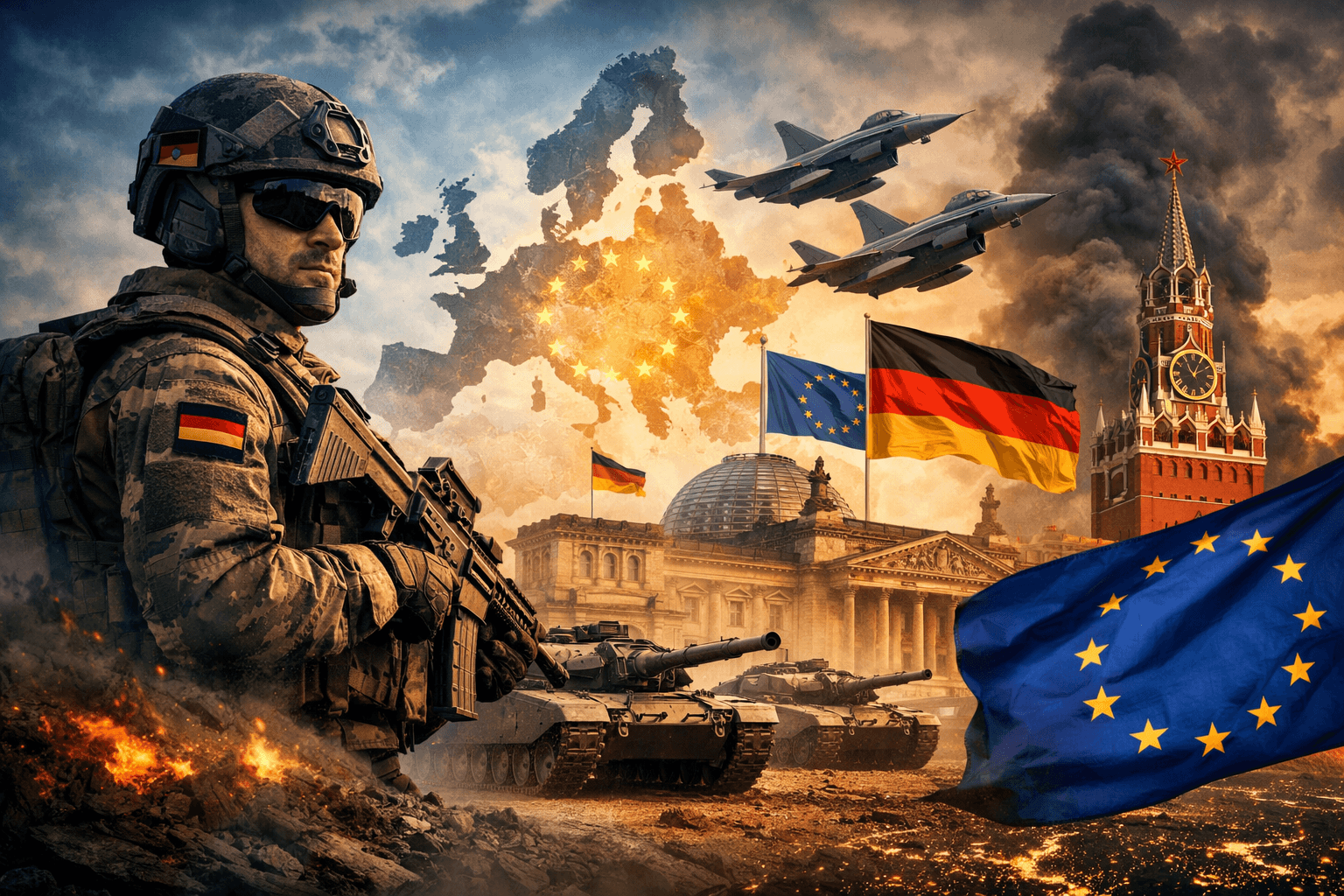
Why a Strong Germany Is Good News

Why a Strong Germany Is Good News

The idea of a strong Germany has long triggered unease across Europe and beyond. History casts a long shadow, and memories of the twentieth century still shape instinctive reactions. Yet the geopolitical realities of the twenty-first century demand a more nuanced—and ultimately more reassuring—assessment. A militarily stronger Germany is not a threat to Europe; it … Read more

What Would a NATO Without the United States Look Like?

What Would a NATO Without the United States Look Like?

Since its founding in 1949, NATO has been inseparable from the leadership, resources, and strategic vision of the United States. The Alliance was born in the early days of the Cold War as a collective defense pact aimed at deterring the expansion of the Soviet Union. From the outset, the United States functioned as the core pillar—militarily, politically, … Read more