Kaliningrad: Why Russia’s Baltic Exclave Matters in European Geopolitics

Kaliningrad: Why Russia’s Baltic Exclave Matters in European Geopolitics

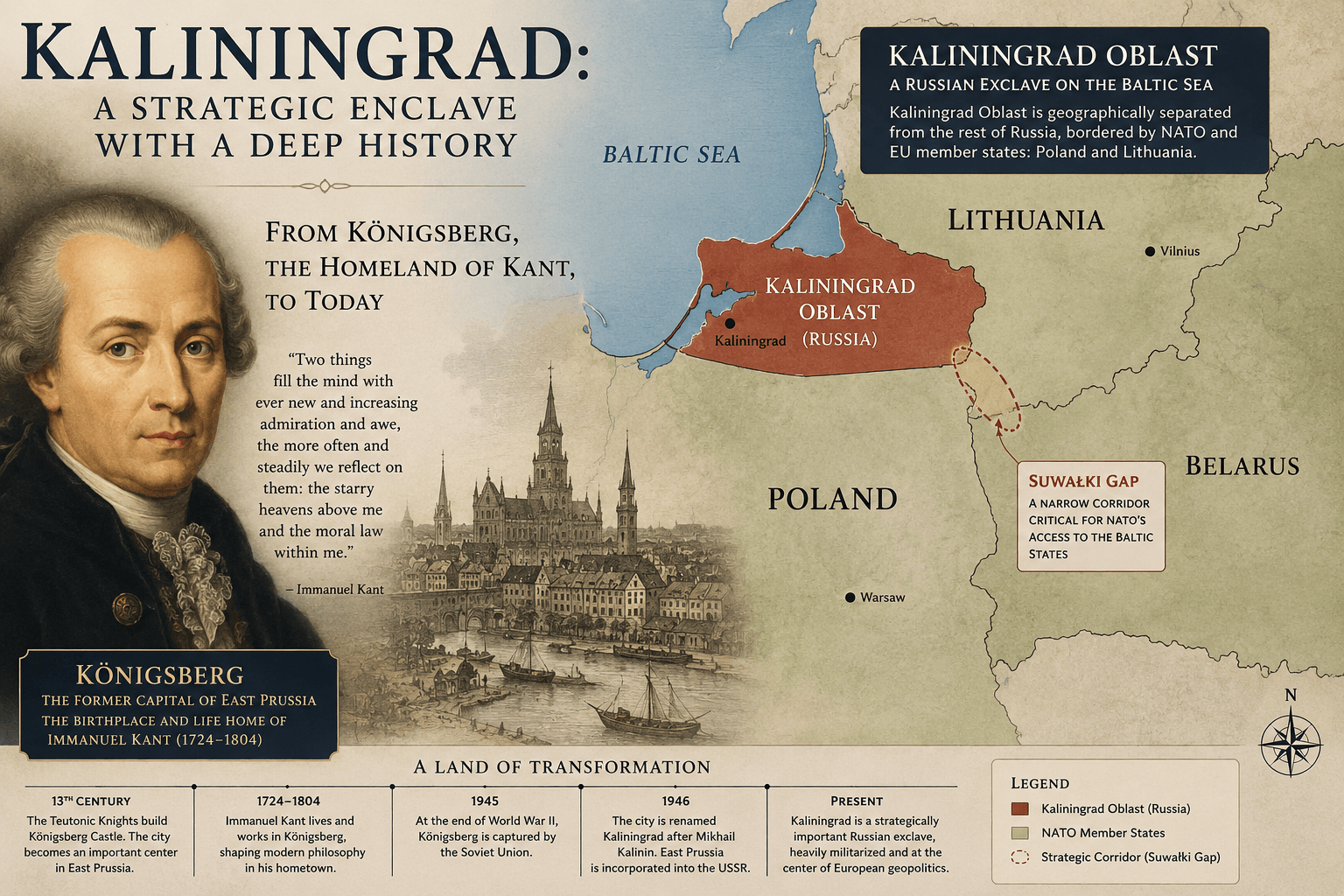
Kaliningrad is one of the most strategically important and politically sensitive territories in Europe. Located on the Baltic Sea between Poland and Lithuania, the Russian exclave is geographically separated from mainland Russia, yet it plays a central role in European security, NATO planning, and Russian military strategy. Despite its relatively small size, Kaliningrad has become a focal point in discussions about deterrence, military balance in the Baltic region, and the future of East-West relations.

Triangular Diplomacy and the European Union: From the Cold War to a New Geopolitical Reality

Triangular Diplomacy and the European Union: From the Cold War to a New Geopolitical Reality

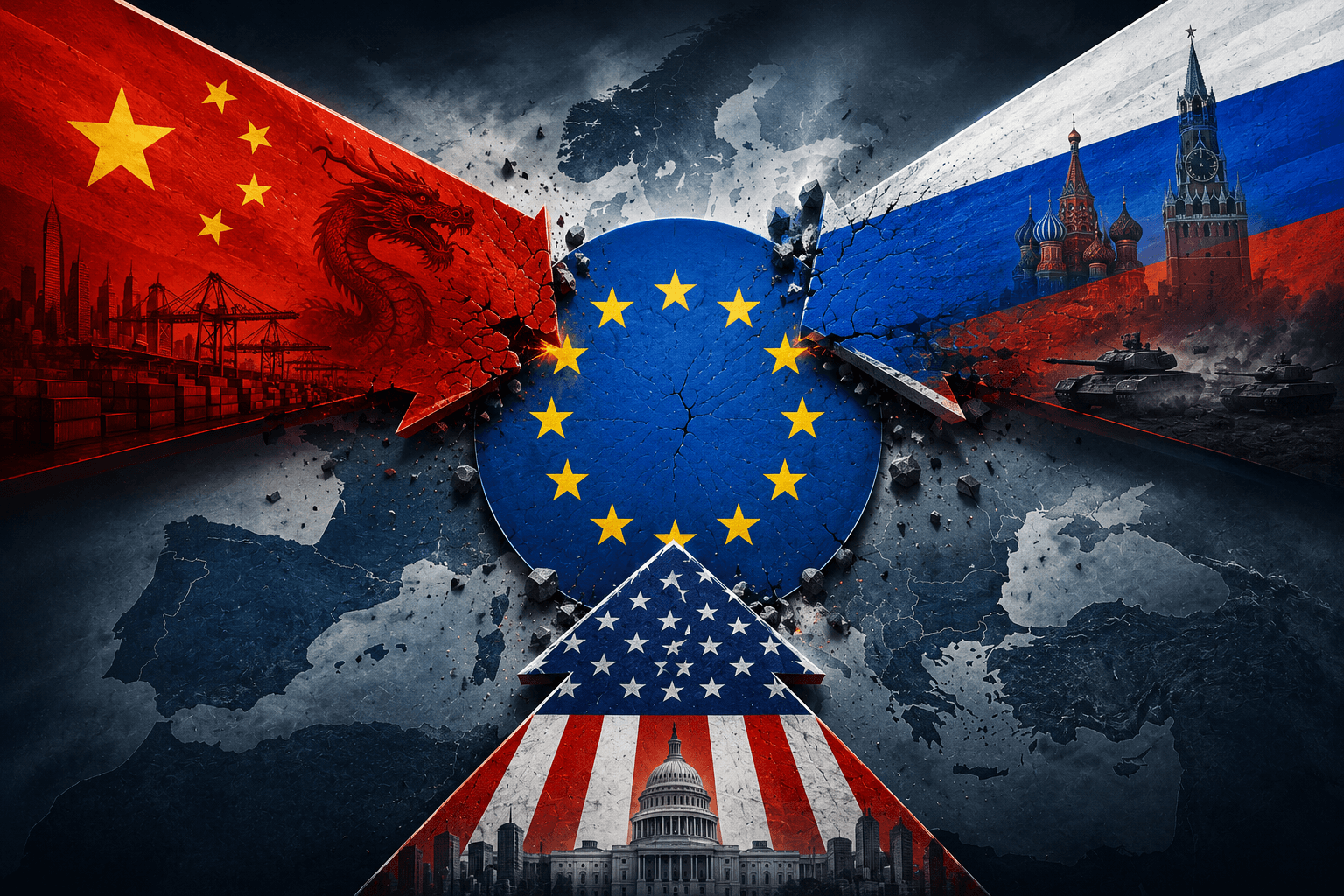
Triangular diplomacy has shaped global politics for more than seven decades. The concept refers to the strategic interaction between three major powers, each attempting to balance, manipulate, or cooperate with the others in order to maximize its own geopolitical advantage. During the Cold War, the triangle formed by the United States, the Soviet Union, and Communist China fundamentally transformed the international system. Today, a new version of triangular diplomacy is emerging, one with profound implications for the European Union.

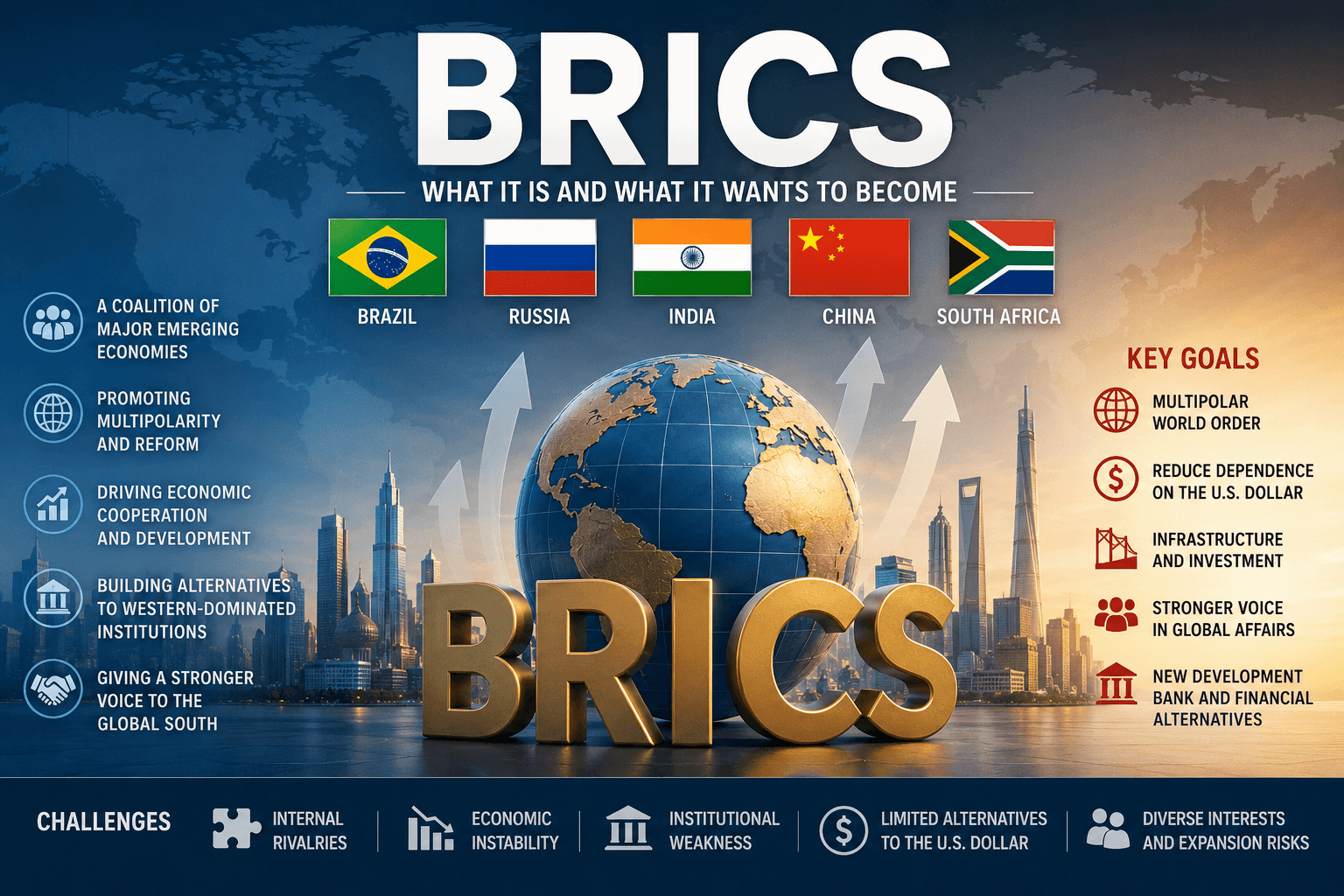
BRICS: What It Is and What It Wants to Become

BRICS: What It Is and What It Wants to Become

In recent years, BRICS has evolved from a loose economic concept into one of the most discussed geopolitical blocs in the world. Originally formed by Brazil, Russia, India, China, and South Africa, the organization now seeks to present itself as a major alternative voice to the Western-led international order. Supporters see BRICS as a platform for multipolarity, economic cooperation, and reform of global institutions. Critics, however, argue that the bloc suffers from deep internal contradictions, limited cohesion, and unrealistic ambitions.

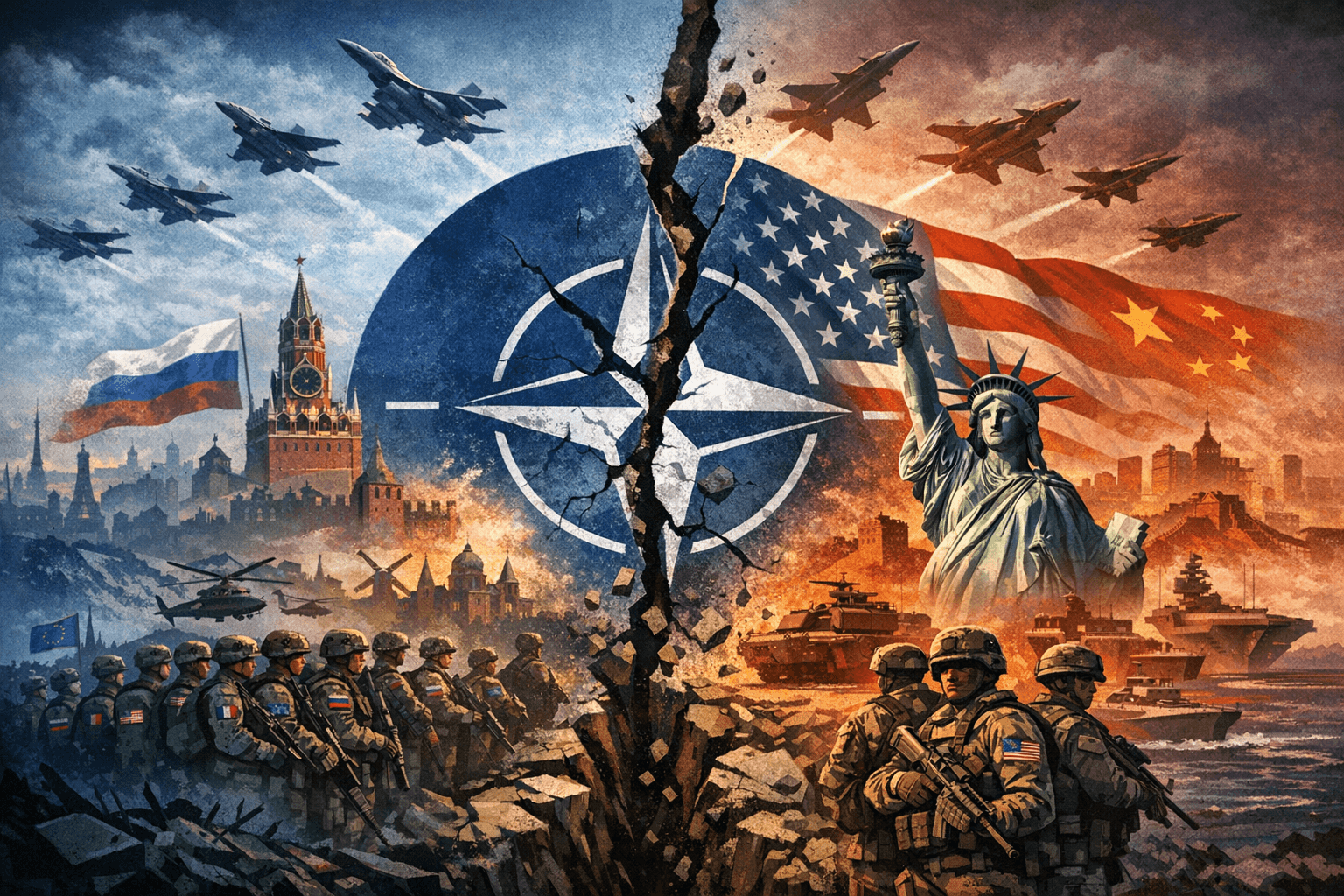
What Would a NATO Without the United States Look Like?

What Would a NATO Without the United States Look Like?

Since its founding in 1949, NATO has been inseparable from the leadership, resources, and strategic vision of the United States. The Alliance was born in the early days of the Cold War as a collective defense pact aimed at deterring the expansion of the Soviet Union. From the outset, the United States functioned as the core pillar—militarily, politically, … Read more

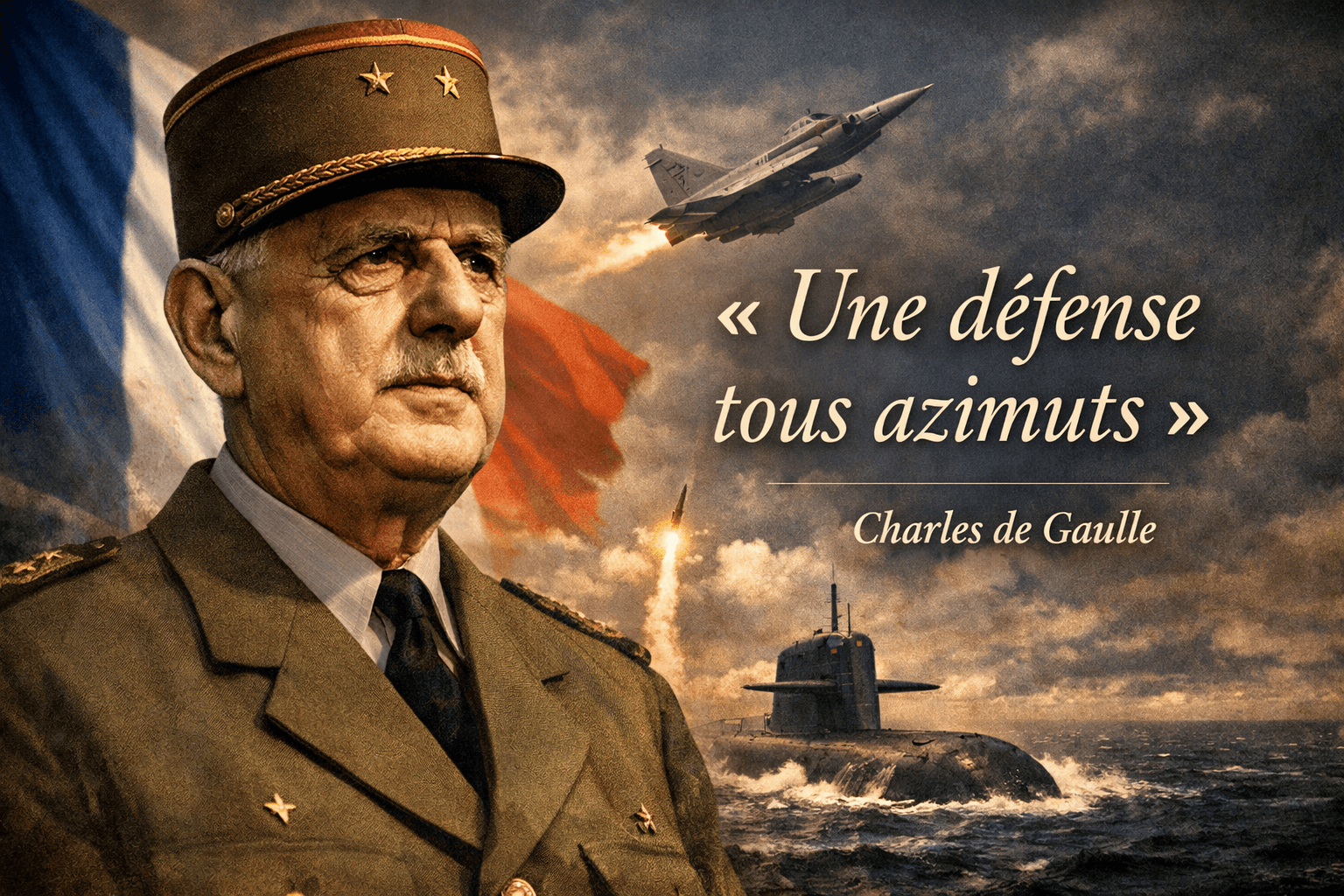
Europe Under a Shared Nuclear Umbrella: Strategic Autonomy and Transatlantic Complementarity

Europe Under a Shared Nuclear Umbrella: Strategic Autonomy and Transatlantic Complementarity

In recent years, the debate over Europe’s strategic autonomy has intensified, driven by geopolitical instability, the war in Ukraine, and shifting global power dynamics. Among the most significant proposals emerging from this discussion is the initiative promoted by French President Emmanuel Macron to extend France’s nuclear deterrence umbrella to cover European partners. The proposal has … Read more

The Case for a Unified European Army: Strategic Autonomy, Security, and the Future of EU Power

The Case for a Unified European Army: Strategic Autonomy, Security, and the Future of EU Power

Introduction: From Economic Giant to Strategic Actor For decades, the European Union has been described as an economic superpower and a political dwarf. While the EU has built an impressive single market, a common currency for many of its members, and a complex system of governance, it has consistently struggled to translate its economic weight … Read more

Europe’s Realistic Options if the United States Attempts to Annex Greenland

Europe’s Realistic Options if the United States Attempts to Annex Greenland

 Introduction In early 2026, renewed rhetoric from senior U.S. political leaders about acquiring or even annexing Greenland — a sovereign territory of the Kingdom of Denmark and part of NATO — sparked significant concern in Europe. European governments, including France, Germany, Denmark and EU institutions, condemned such proposals, reaffirming that Greenland’s sovereignty belongs to its people and Denmark’s constitutional processes, not external coercion. While … Read more