Trump vs. Iran – Did the United States Win the War but Lose the Peace?

Trump vs. Iran – Did the United States Win the War but Lose the Peace?

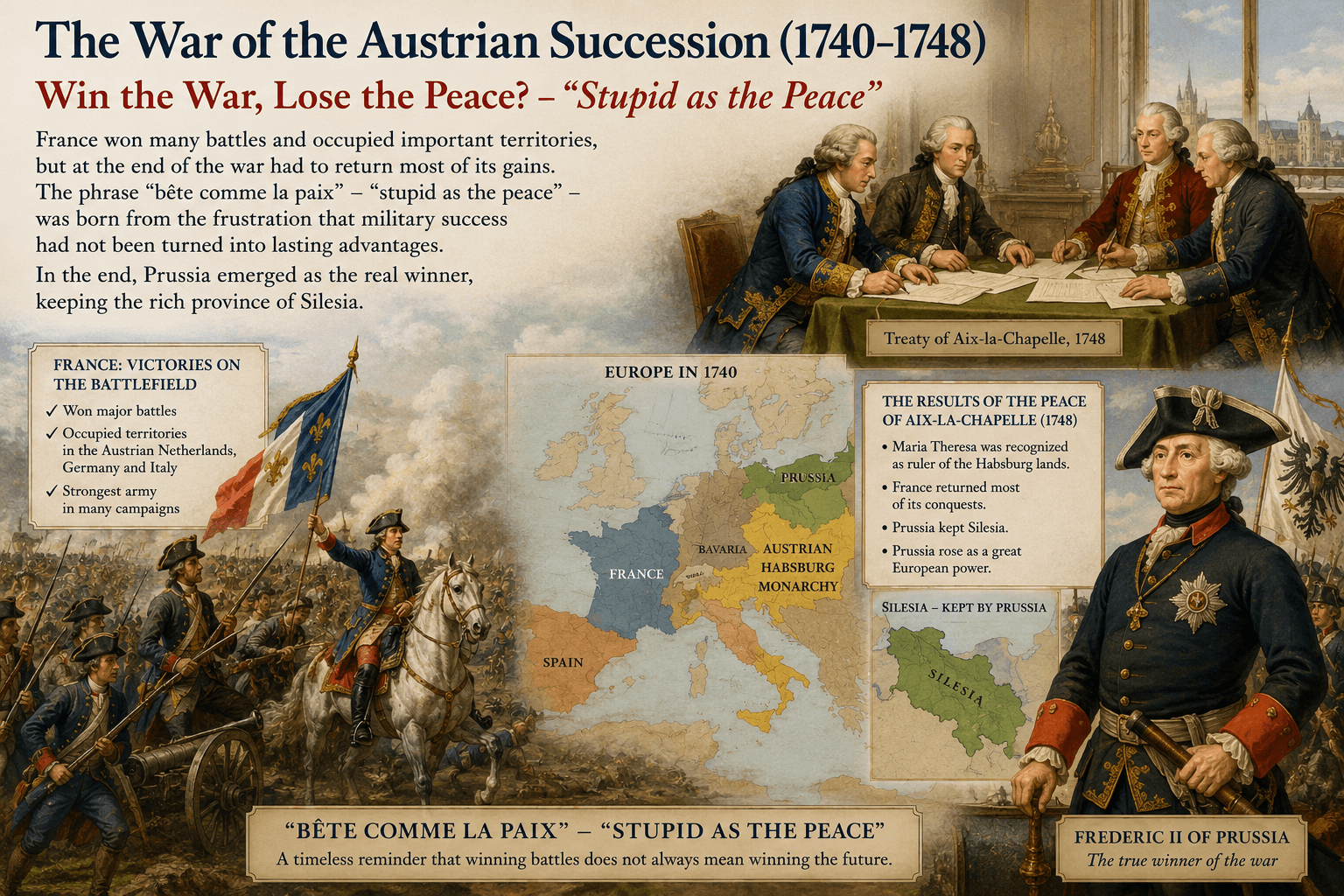
History offers many examples of military victories that failed to deliver lasting political gains. One of the most famous comes from the War of the Austrian Succession (1740–1748), when France won important battles and occupied significant territories, only to return most of its conquests in the peace settlement. Many contemporaries felt that French military achievements had been squandered by diplomacy, giving rise to the expression “bête comme la paix” (“stupid as the peace”). While France had often prevailed on the battlefield, it was Prussia that emerged as the conflict’s principal beneficiary by retaining the rich province of Silesia. Nearly three centuries later, a similar question is being asked about the confrontation between the United States and Iran: did Washington achieve a military victory only to discover that winning the peace may prove far more difficult than winning the war?

OPEC’s Rise and Decline: How the Oil Cartel Shaped the Modern World

OPEC’s Rise and Decline: How the Oil Cartel Shaped the Modern World

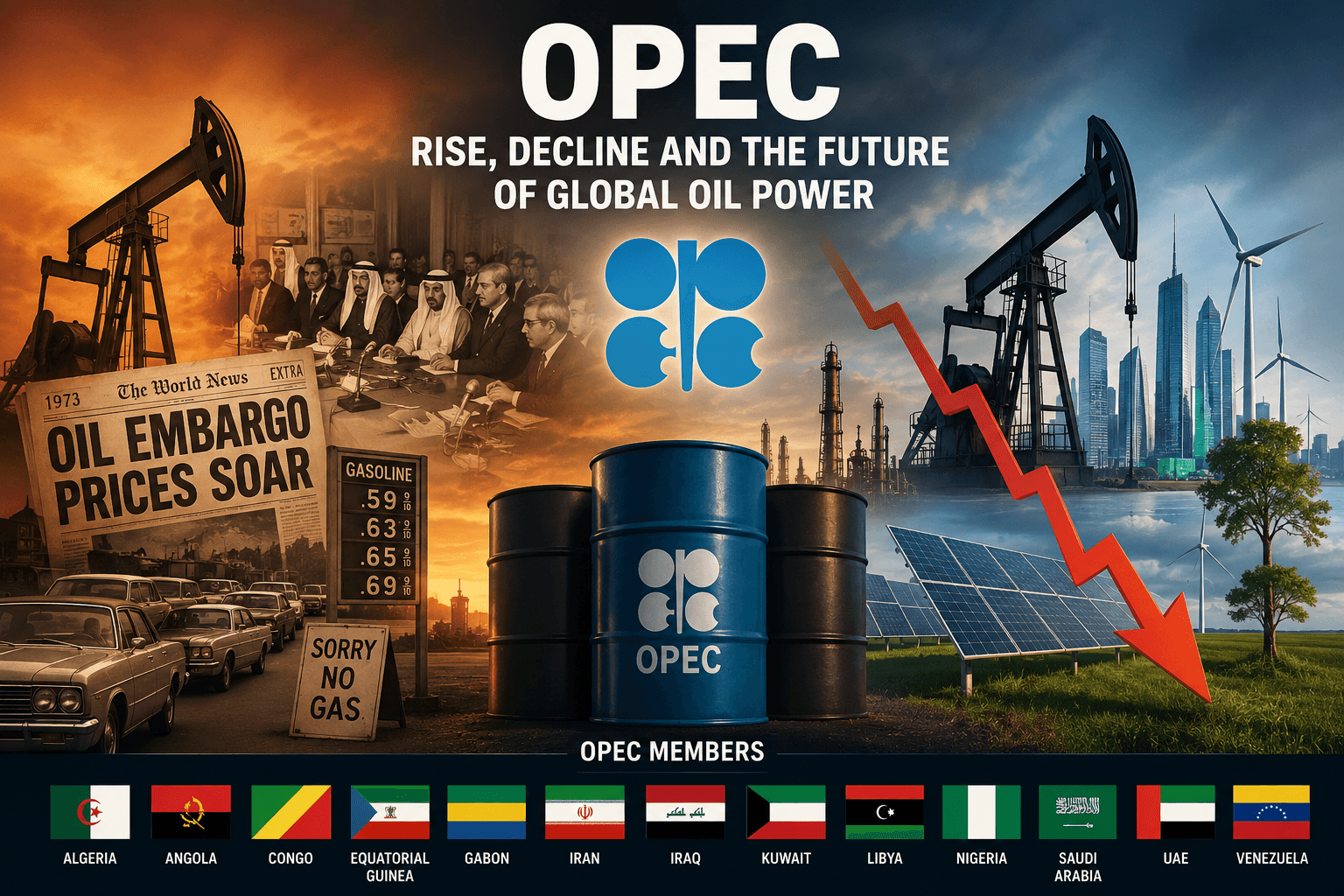
For more than six decades, the Organization of the Petroleum Exporting Countries (OPEC) has stood at the center of global energy politics. Few international organizations have influenced the world economy as profoundly as OPEC, whose decisions on oil production have shaped inflation, wars, diplomacy, industrial growth, and even domestic politics across continents. During the 1970s, OPEC was capable of shaking the foundations of Western economies through coordinated oil embargoes and production cuts. Today, however, the organization faces a more uncertain future marked by internal divisions, the rise of alternative energy, growing American shale production, and declining long-term oil demand expectations.

R2P and the Question of War Against Iran: Sovereignty, Intervention, and the Structural Limits of International Protection

R2P and the Question of War Against Iran: Sovereignty, Intervention, and the Structural Limits of International Protection

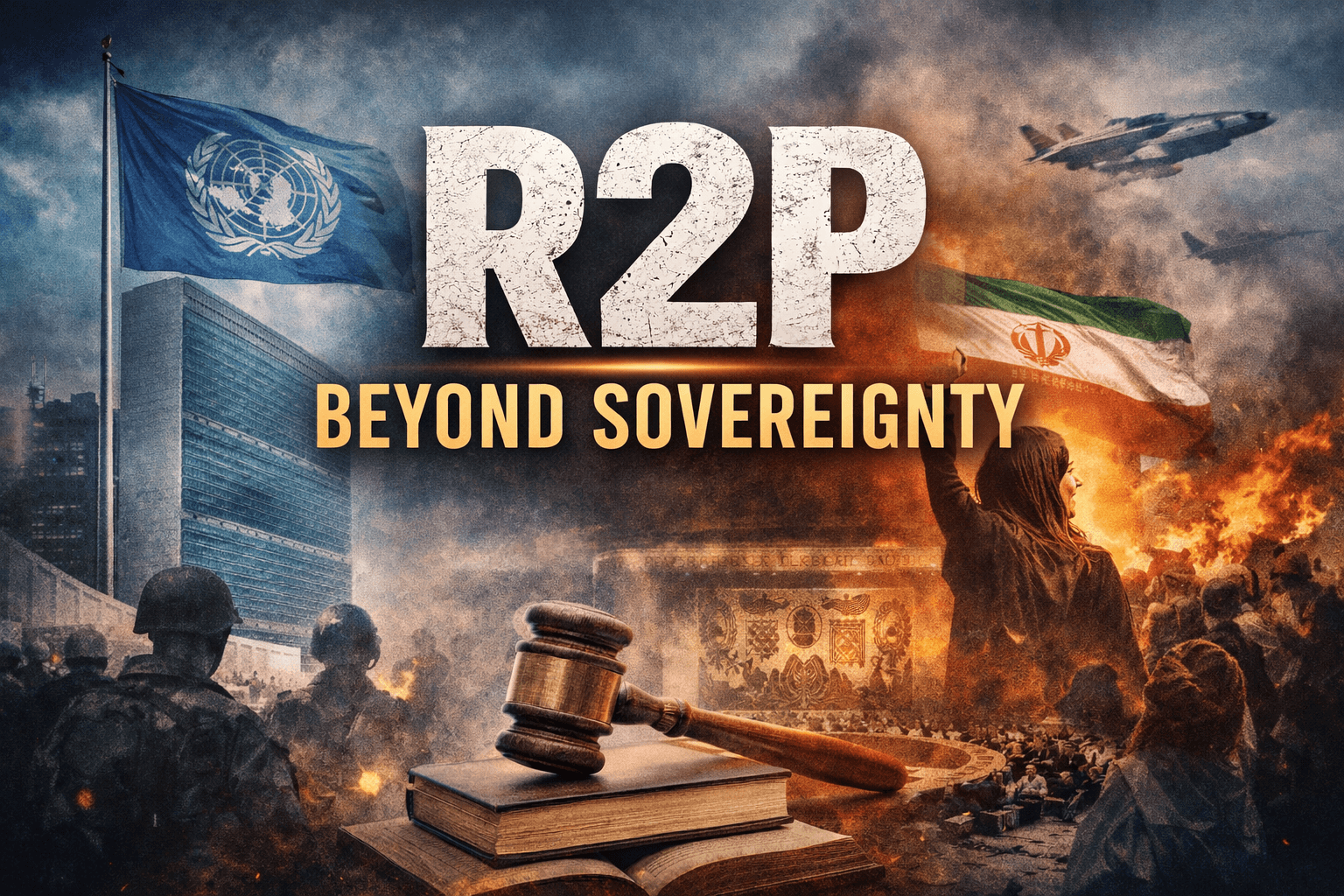
The doctrine of the Responsibility to Protect (R2P) stands as one of the most ambitious normative innovations in contemporary international law. Emerging from the moral and political failures of the international community in the late twentieth century, it seeks to reconcile two principles long considered irreconcilable: the sovereignty of states and the protection of individuals … Read more

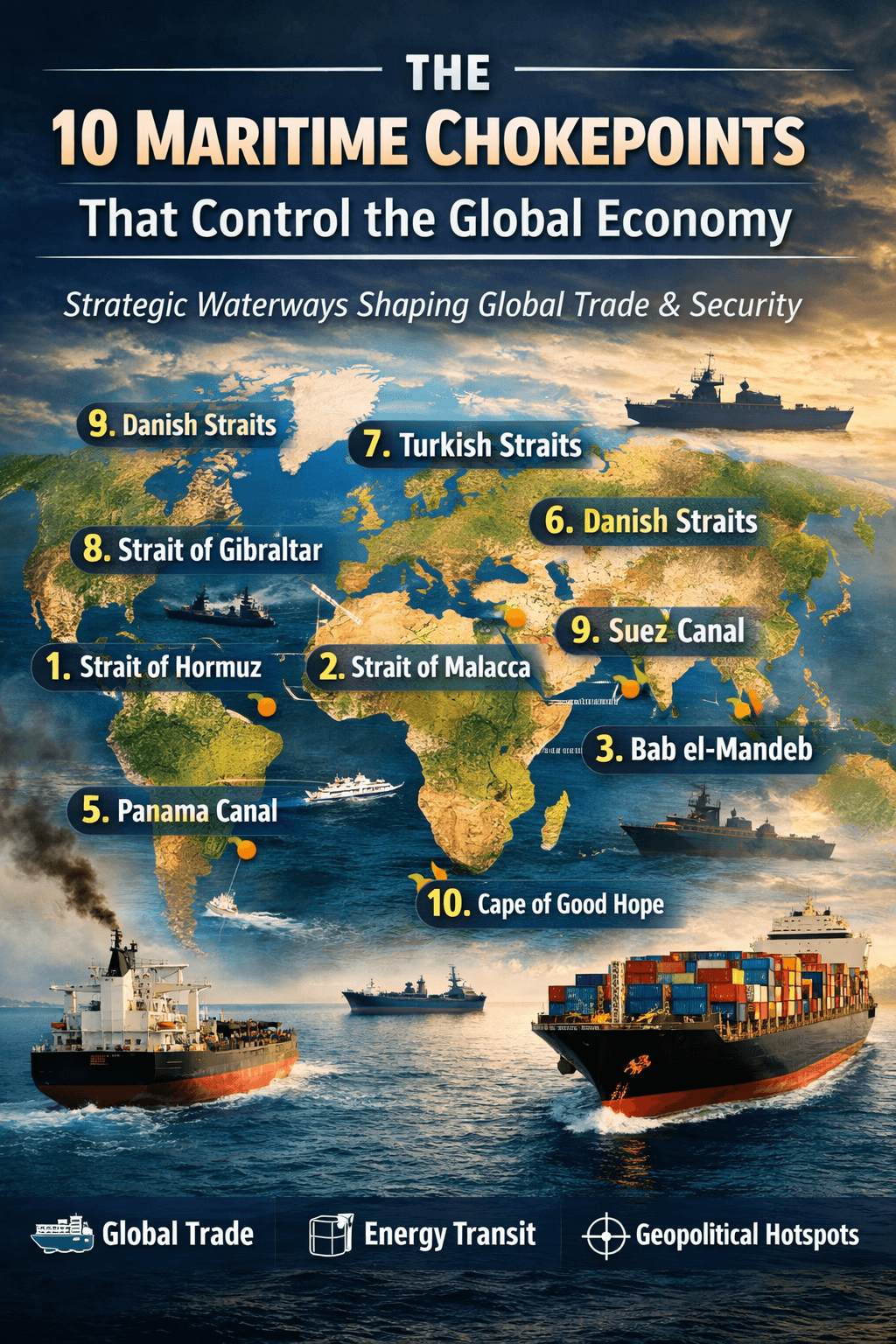
The 10 Maritime Chokepoints That Control the Global Economy

The 10 Maritime Chokepoints That Control the Global Economy

Introduction: Geography Still Rules Global Trade Globalization is often described as a system driven by finance, technology, and digital connectivity. Yet beneath the complexity of modern markets lies a much simpler reality: the global economy still moves primarily by sea. Around 80–90 percent of world trade by volume travels on ships, linking production centers, resource … Read more

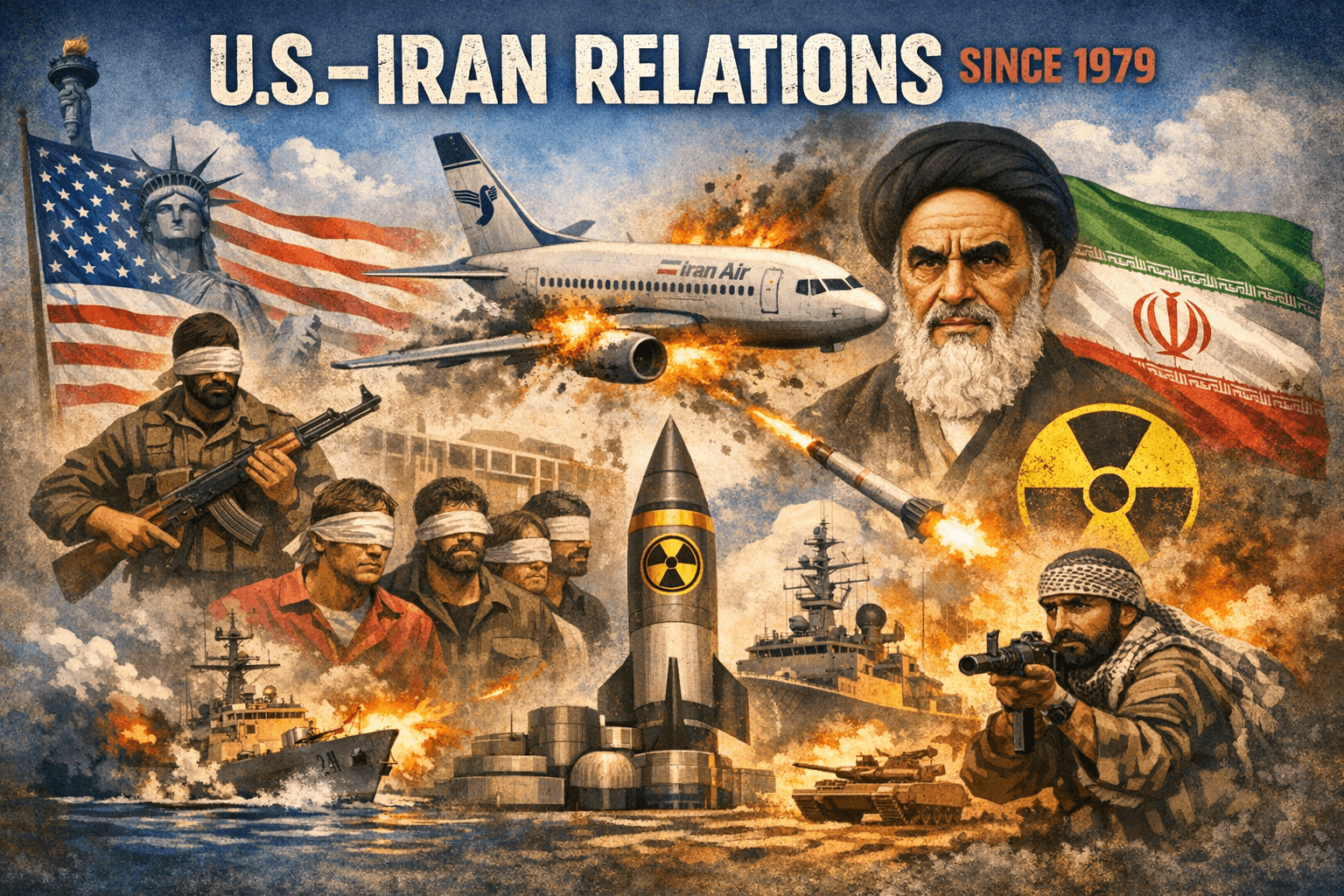
From Hostages to Nuclear Talks: A Timeline of U.S.–Iran Relations, 1979–Today

From Hostages to Nuclear Talks: A Timeline of U.S.–Iran Relations, 1979–Today

The relationship between the United States and Iran since 1979 has been one of the most complex and volatile in modern international politics. Once strategic allies during the Cold War, the two countries became adversaries after the Iranian Revolution replaced the pro-Western monarchy with an Islamic Republic deeply suspicious of American influence. Over the following … Read more

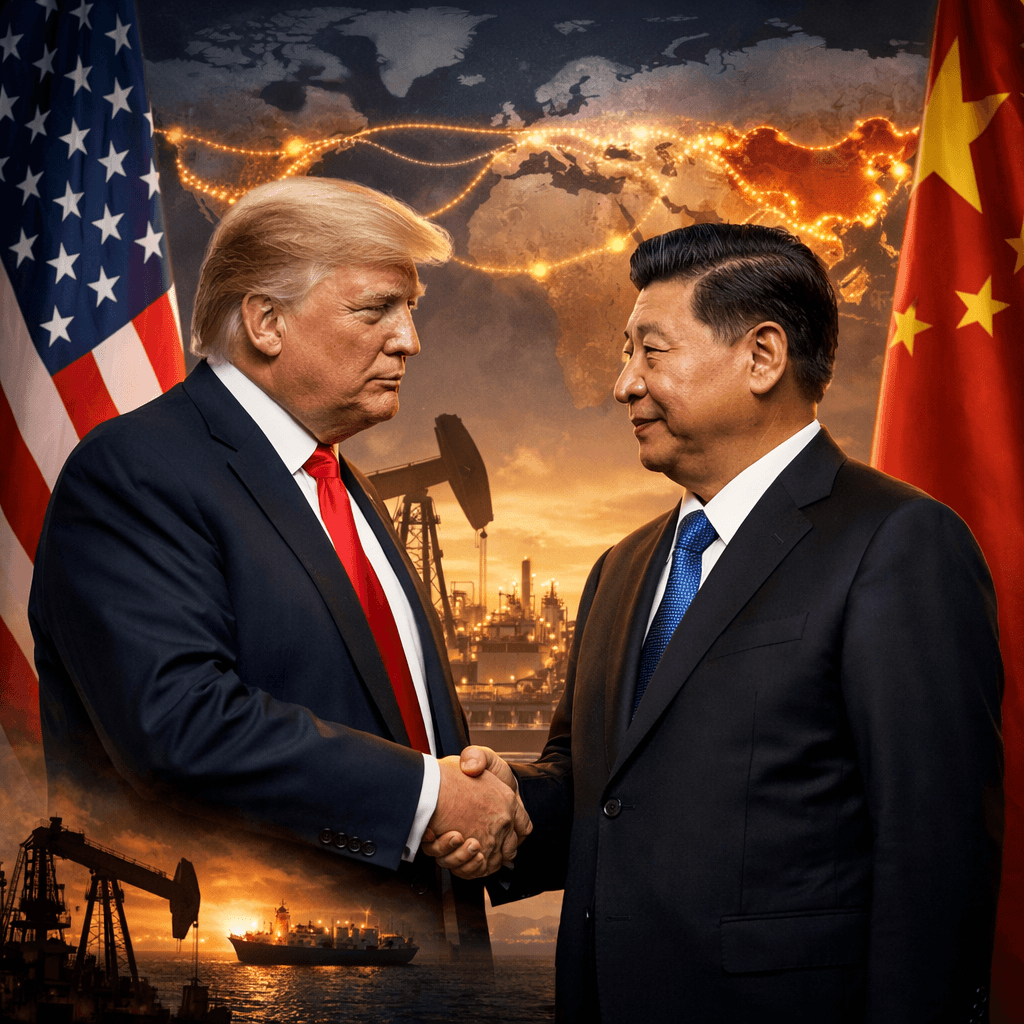
The Hidden Strategy: How Pressure on Iran and Venezuela Could Be Part of Washington’s China Play

The Hidden Strategy: How Pressure on Iran and Venezuela Could Be Part of Washington’s China Play

In recent years, U.S. actions toward Iran and Venezuela have often been interpreted through familiar lenses: nuclear proliferation, sanctions enforcement, or ideological rivalry. Yet another explanation is gaining attention among analysts. Some observers argue that the Trump administration’s pressure on both countries may form part of a broader geopolitical strategy aimed at countering China’s expanding … Read more

The Strait of Hormuz: Why This Narrow Waterway Holds Global Strategic Power

The Strait of Hormuz: Why This Narrow Waterway Holds Global Strategic Power

The Strait of Hormuz is one of the most strategically important maritime chokepoints in the world. Located between the Persian Gulf and the Gulf of Oman, this narrow passage plays a critical role in global energy security and international trade. Despite its modest width, the strait carries an enormous share of the world’s oil supply, … Read more

error: