Spain, the Iran Conflict, and the Primacy of International Law: A European Perspective on War, Alliances, and Defense Spending

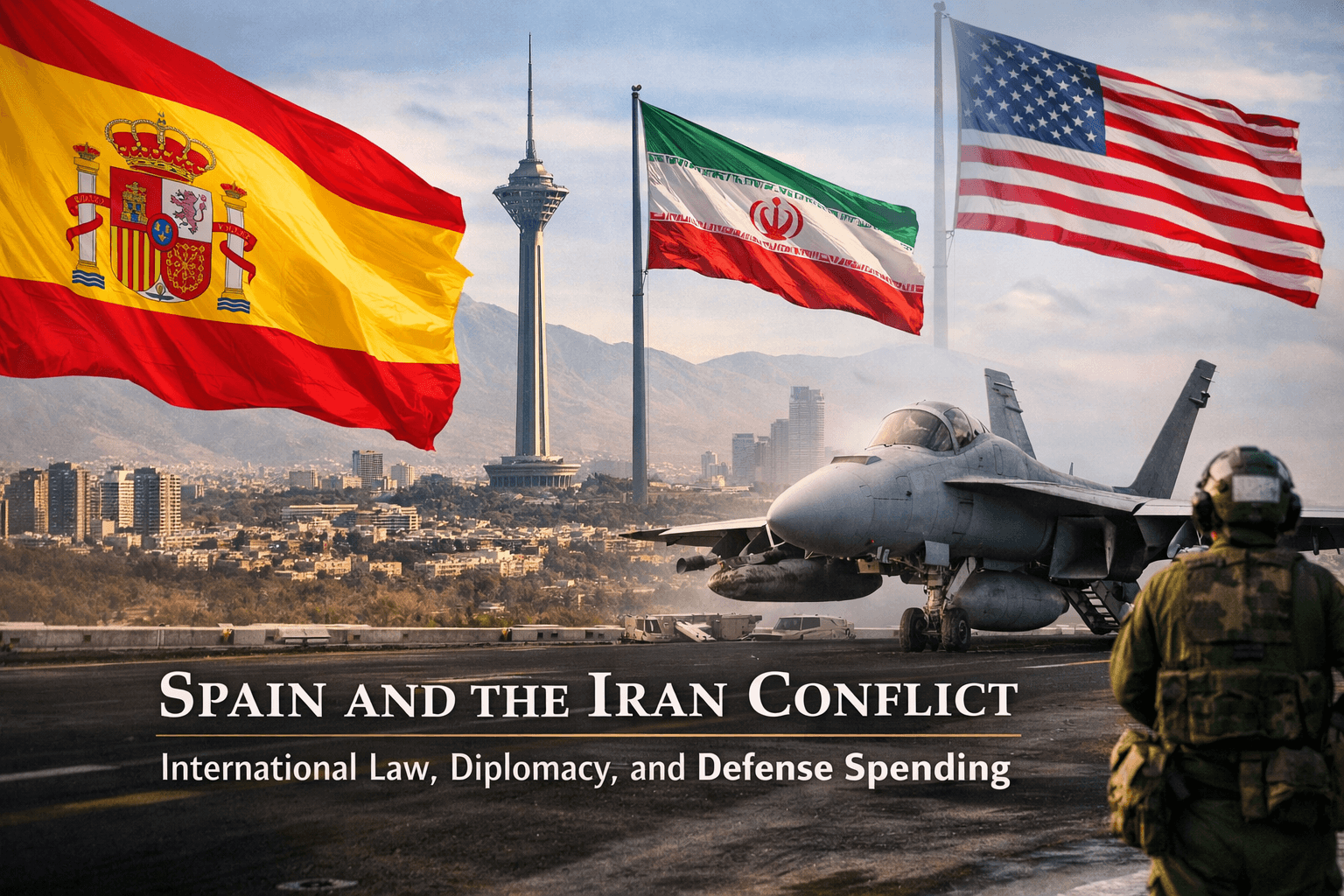
Spain, the Iran Conflict, and the Primacy of International Law: A European Perspective on War, Alliances, and Defense Spending

Introduction The recent escalation of tensions surrounding Iran has generated profound debate among Western allies regarding the legality, legitimacy, and strategic consequences of military action in the Middle East. While several governments have supported the United States’ confrontational approach toward Tehran, Spain has adopted a more cautious and legally grounded position. Madrid’s response reflects a … Read more

Missiles, Narratives, and Endurance: Iran’s Strategy Compared to Saddam Hussein’s Gulf War Gamble

Missiles, Narratives, and Endurance: Iran’s Strategy Compared to Saddam Hussein’s Gulf War Gamble

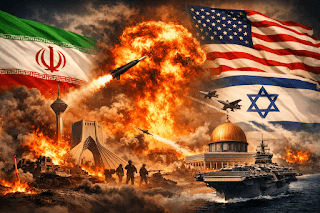
The strategic logic guiding Iran’s confrontation with Israel and the United States reflects a mixture of military pragmatism, political signaling, and psychological warfare. Although the geopolitical context of the twenty-first century differs substantially from that of the early 1990s, notable similarities exist between Iran’s current strategic posture and the approach adopted by Saddam Hussein during … Read more

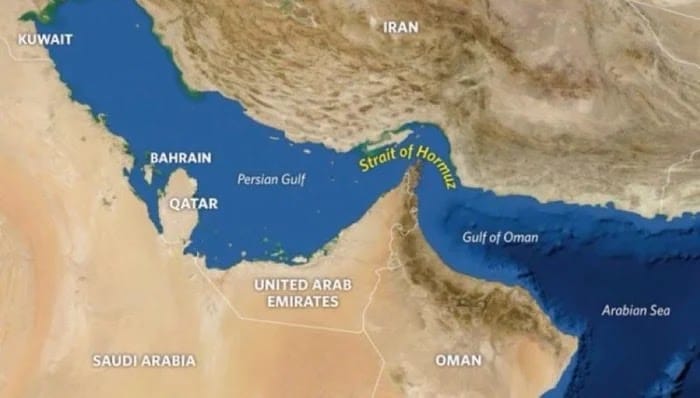
The 2026 Iran–United States–Israel Confrontation: objective analysis of causes, justifications, legal issues, likely endgames and economic consequences

The 2026 Iran–United States–Israel Confrontation: objective analysis of causes, justifications, legal issues, likely endgames and economic consequences

Summary Between late February and early March 2026, coordinated strikes by the United States and Israel against targets inside the Islamic Republic of Iran produced a dramatic escalation: explosions in multiple Iranian cities, substantial Iranian retaliatory missile and drone attacks against Israeli territory and U.S. forces in the region, and significant civilian casualties and infrastructure … Read more

Analysis: Iran’s Protests and the Structural Limits of Regime Control

Analysis: Iran’s Protests and the Structural Limits of Regime Control

The current wave of protests in Iran reflects more than a cyclical episode of social unrest; it exposes deep structural vulnerabilities within the Islamic Republic that economic repression and coercive force alone can no longer fully contain.

At the structural level, Iran’s crisis is driven by a convergence of long-term economic decline, demographic pressure, and political stagnation. High inflation, currency devaluation, and chronic unemployment—especially among urban youth—have steadily eroded the regime’s social contract. Subsidies and welfare mechanisms that once mitigated public anger are increasingly unsustainable, limiting the state’s capacity to “buy” stability.