Europe Under a Shared Nuclear Umbrella: Strategic Autonomy and Transatlantic Complementarity

Europe Under a Shared Nuclear Umbrella: Strategic Autonomy and Transatlantic Complementarity
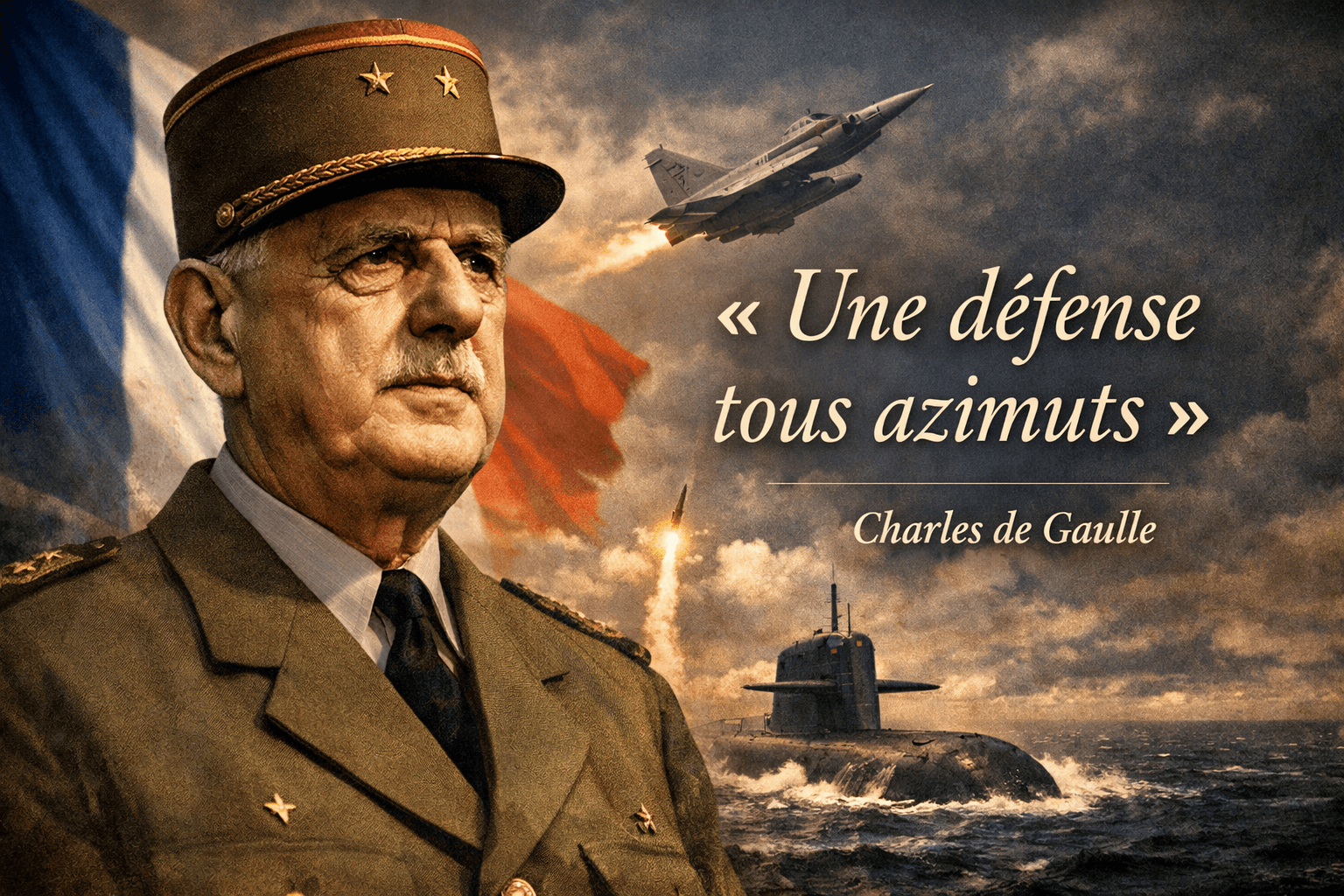
In recent years, the debate over Europe’s strategic autonomy has intensified, driven by geopolitical instability, the war in Ukraine, and shifting global power dynamics. Among the most significant proposals emerging from this discussion is the initiative promoted by French President Emmanuel Macron to extend France’s nuclear deterrence umbrella to cover European partners. The proposal has … Read more
Greenland, the Gordian Knot of the Transatlantic Relationship

Greenland, the Gordian Knot of the Transatlantic Relationship

Anyone passionate about history is at least somewhat familiar with the story of the “Gordian knot,” but for readers who may not be very well acquainted with the military exploits of Alexander the Great, it is useful to briefly revisit this story. In the fourth century BCE, Phrygia, a region in Asia Minor, was part of the Persian Empire. The principal city of Phrygia was Gordium. In one of the city’s temples stood a chariot bound with an extremely intricate knot. According to the legend transmitted by historical sources, whoever untied the knot would rule Asia. Alexander the Great attacked the Persian Empire in 334 BCE and arrived at Gordium. Whether out of superstition or as a very capable politician who understood the propaganda value of the prophecy, he chose to cut the knot with his sword, demonstrating not only that he would become the ruler of Asia, but also the manner in which he would come to rule it: by the sword.