The Panama Canal: History, Power, and Strategic Futures

The Panama Canal: History, Power, and Strategic Futures
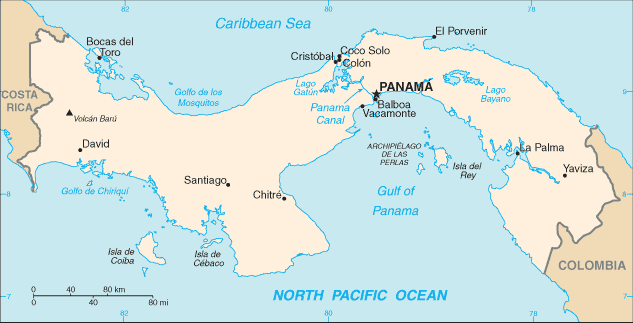
The Panama Canal stands as one of the most consequential engineering and geopolitical projects in modern history. Connecting the Atlantic and Pacific Oceans, it reshaped global trade, naval strategy, and the political trajectory of Central America. Its story is not merely technical; it is deeply entangled with imperial ambition, national sovereignty, and ongoing geopolitical competition. … Read more
What Would a NATO Without the United States Look Like?

What Would a NATO Without the United States Look Like?

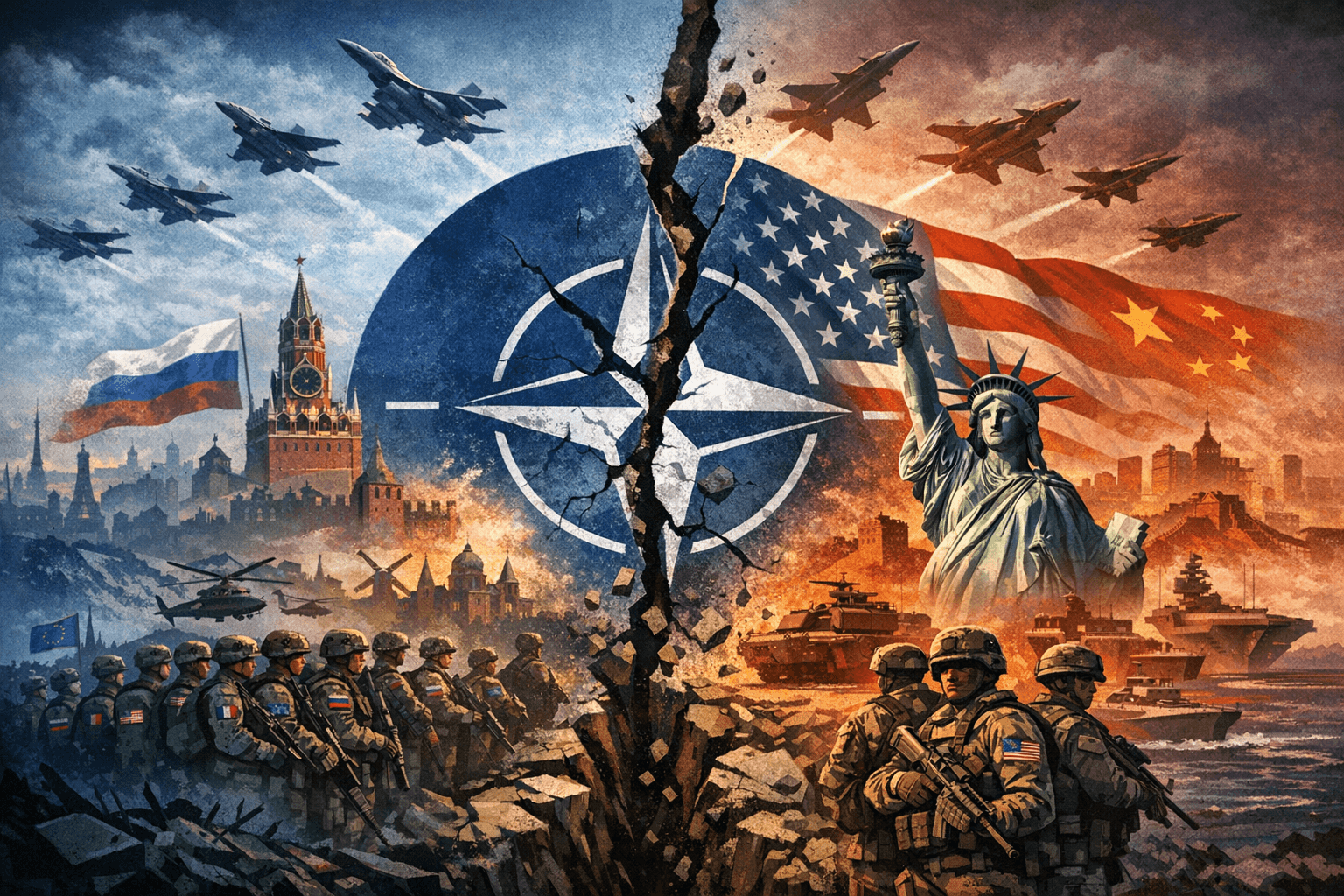
Since its founding in 1949, NATO has been inseparable from the leadership, resources, and strategic vision of the United States. The Alliance was born in the early days of the Cold War as a collective defense pact aimed at deterring the expansion of the Soviet Union. From the outset, the United States functioned as the core pillar—militarily, politically, … Read more

From “America First” to “America Alone”: What the Strait of Hormuz Reveals

From “America First” to “America Alone”: What the Strait of Hormuz Reveals

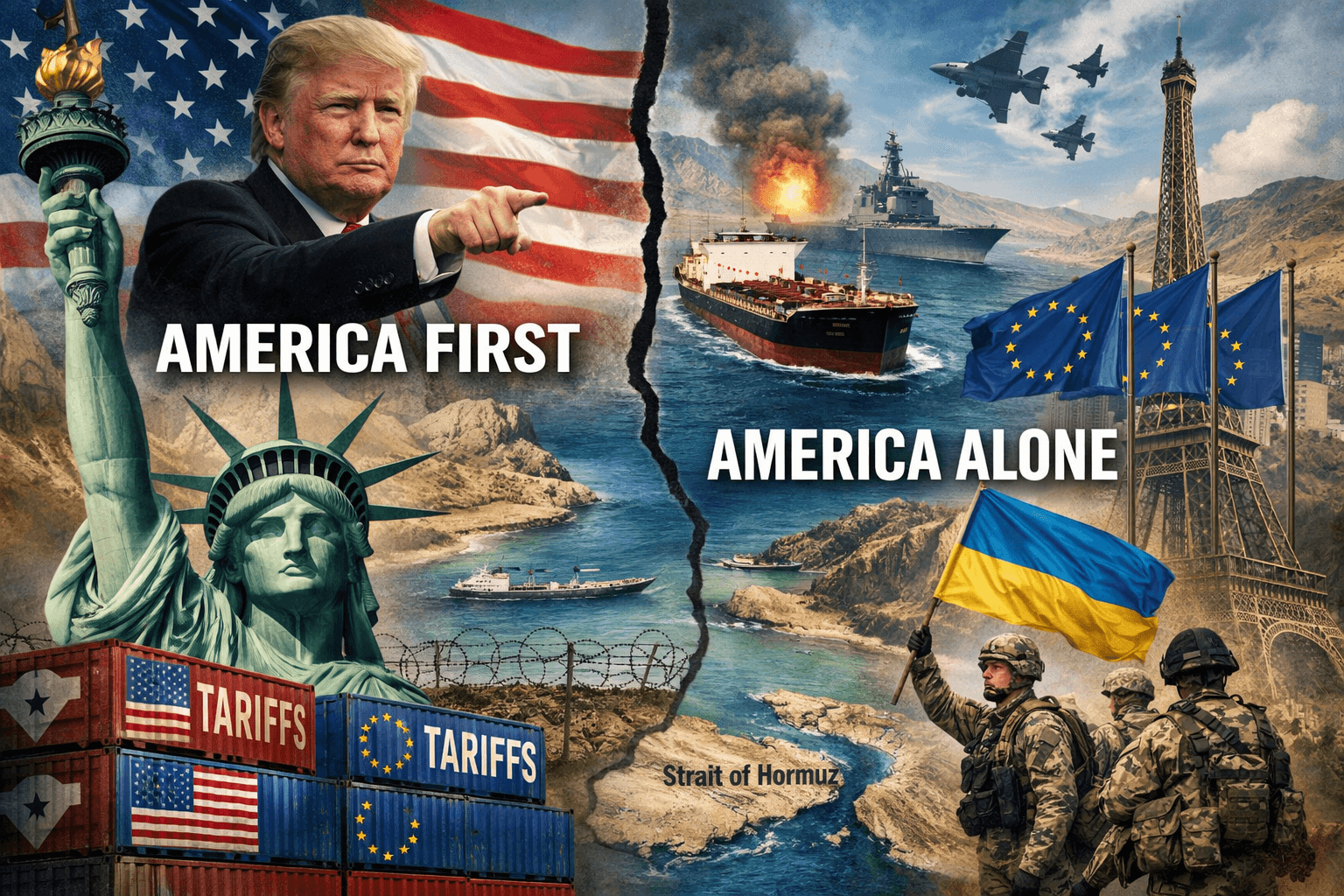
The slogan “America First” has long resonated in U.S. political discourse, evoking a promise of national strength, economic protection, and strategic independence. Yet, in practice—particularly during the Trump administration—this doctrine has often translated into a more isolating posture: one that risks turning “America First” into “America Alone.” From trade disputes with European allies to strained … Read more

Board of Peace: Inside Trump’s New International Body for Gaza Peace

Board of Peace: Inside Trump's New International Body for Gaza Peace

In an era marked by escalating geopolitical tensions, President Donald J. Trump’s Board of Peace emerges as a bold initiative aimed at fostering stability in conflict zones, starting with Gaza. Announced in early 2026, this ambitious project represents a cornerstone of Trump’s foreign policy, blending diplomacy, economic incentives, and international collaboration. As the world grapples … Read more

No Rex

No Rex

The phrase No Rex—“no king”—captures a political instinct far older than modern democracy. It is a warning, a boundary, and a declaration of civic maturity. From the Roman Republic to the founding of the United States, rejection of monarchy has not merely been institutional but moral. In this light, contemporary concerns about the monarchical tendencies attributed … Read more

When the Law Falls Silent, Force Speaks

When the Law Falls Silent, Force Speaks

It is perfectly clear that, no matter how democratic a country may be domestically, its foreign policy borrows very little from the rule of law. This is also the case of the United States, which—however much it claims to be democratic and morally superior to, say, Russia or China—has far too many moments in its recent history in which it acted exactly as it wanted, not as it should have. Obviously, when you criticize someone, you should look not at who is doing the criticizing, but at what is being said. But sometimes—and this is such a case—it is also worth looking at who is speaking, at the one pointing the finger, always at others.

Analysis: Iran’s Protests and the Structural Limits of Regime Control

Analysis: Iran’s Protests and the Structural Limits of Regime Control

The current wave of protests in Iran reflects more than a cyclical episode of social unrest; it exposes deep structural vulnerabilities within the Islamic Republic that economic repression and coercive force alone can no longer fully contain.

At the structural level, Iran’s crisis is driven by a convergence of long-term economic decline, demographic pressure, and political stagnation. High inflation, currency devaluation, and chronic unemployment—especially among urban youth—have steadily eroded the regime’s social contract. Subsidies and welfare mechanisms that once mitigated public anger are increasingly unsustainable, limiting the state’s capacity to “buy” stability.