What Is Geopolitics? Meaning, Examples, and Why It Matters Today

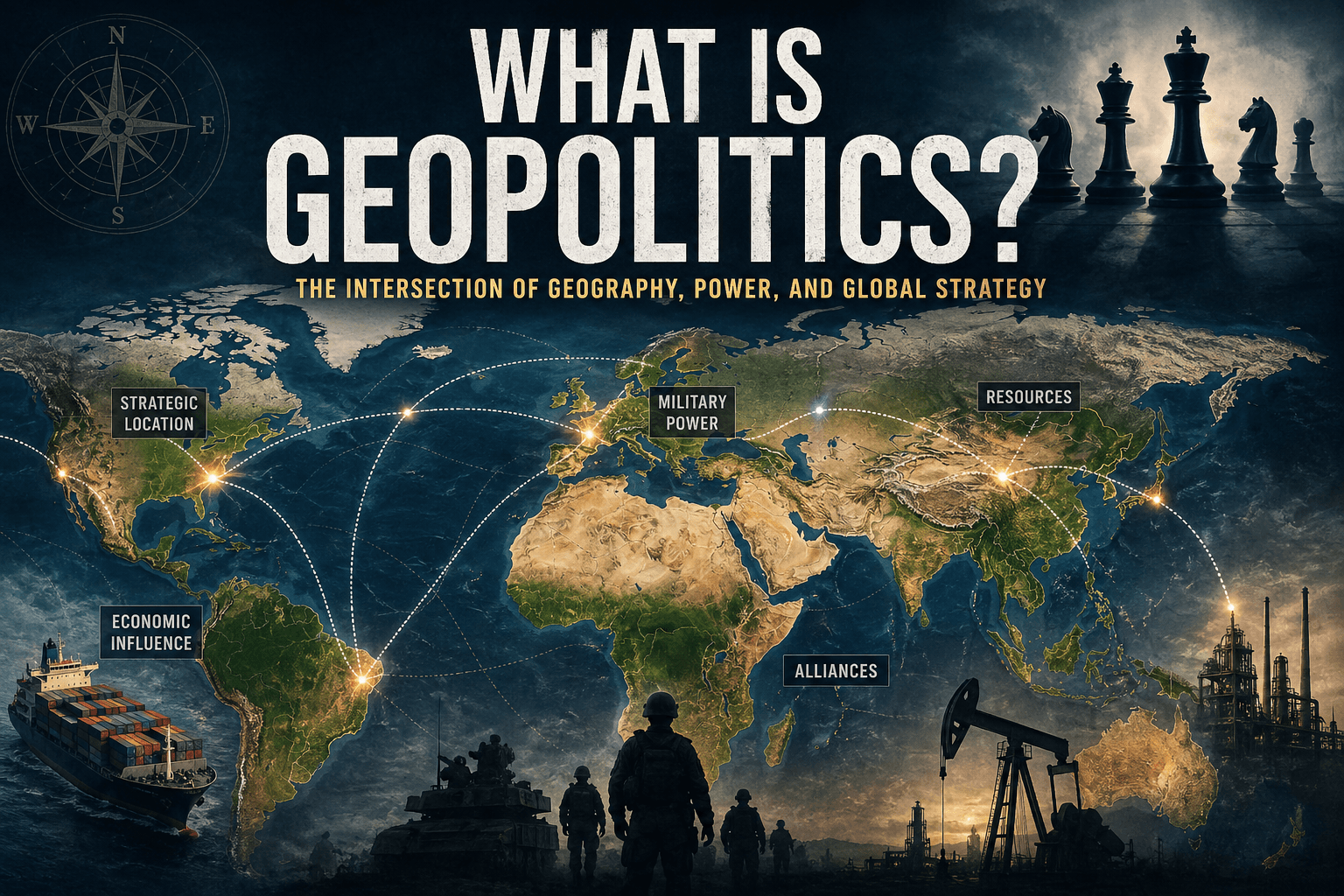
What Is Geopolitics? Meaning, Examples, and Why It Matters Today

Where Geography Becomes Power: Understanding the Forces That Shape Global Politics Geopolitics is the analytical framework that explains how geography conditions political power, state behavior, and the structure of international order. In its simplest formulation, geopolitics studies the interaction between space and power—how territory, location, resources, and physical constraints shape strategic choices, alliances, conflicts, and … Read more

Why Did Russia Invade Ukraine? The Real Strategic Reasons

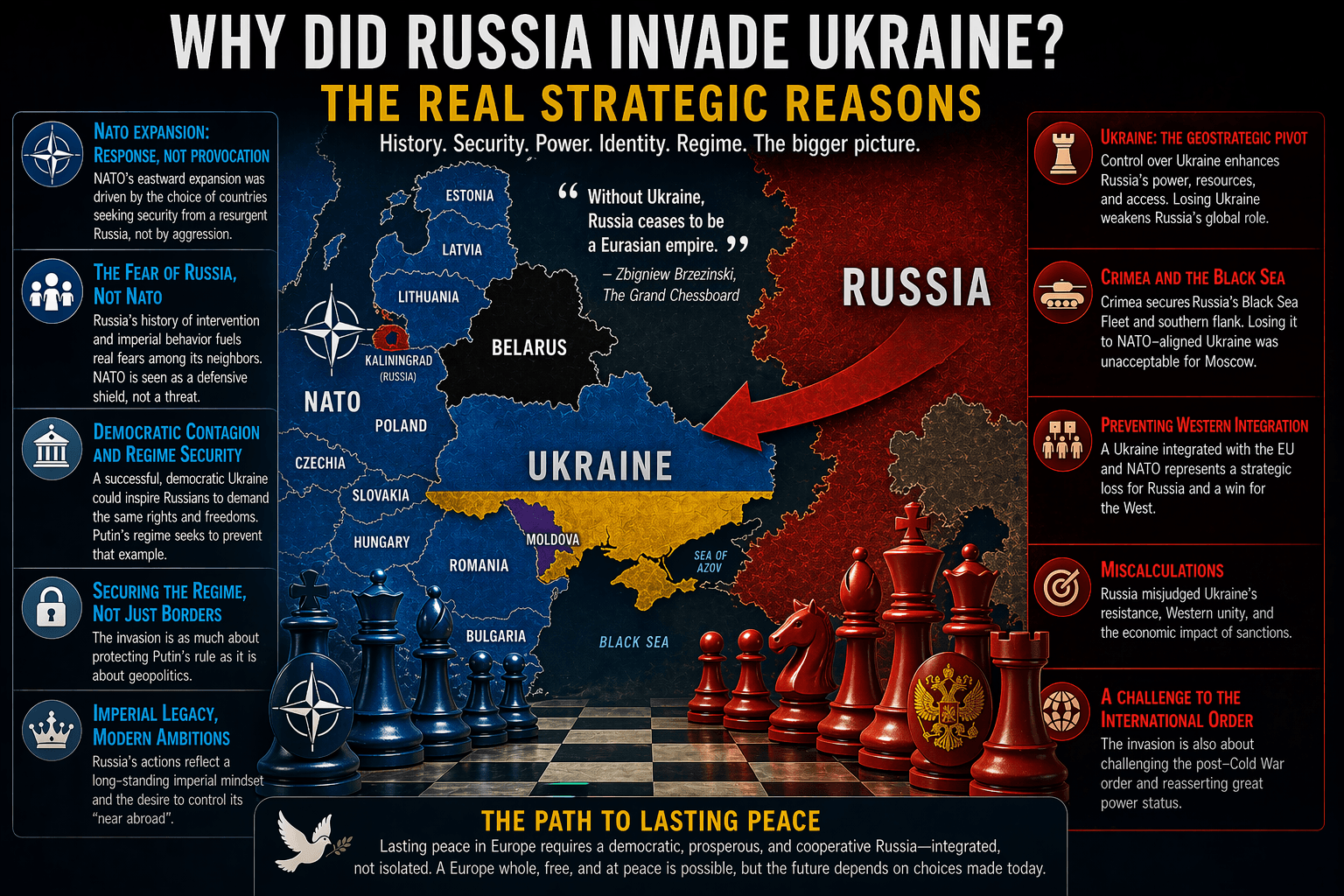
Why Did Russia Invade Ukraine? The Real Strategic Reasons

Introduction Russia’s full-scale invasion of Ukraine in February 2022 is one of the most consequential geopolitical events of the 21st century. Explaining it requires moving beyond single-cause narratives and examining a layered interaction of history, security concerns, regime dynamics, and competing visions of Europe’s future. This revised analysis incorporates a critical but evidence-based perspective often … Read more

Geography Does Not Disappear: How Maps Still Shape Global Politics

Geography Does Not Disappear: How Maps Still Shape Global Politics

Introduction: The Illusion of a Borderless World Globalization, digital networks, and advanced military technologies have encouraged a persistent illusion: that geography no longer matters. Information travels instantly, capital moves across continents in milliseconds, and precision weapons can strike targets thousands of kilometers away. Yet beneath this surface, the structure of international politics remains deeply rooted … Read more

7 Unspoken Rules of Geopolitics That Great Powers Never Admit

7 Unspoken Rules of Geopolitics That Great Powers Never Admit

Introduction Geopolitics is often presented as a sophisticated system of diplomacy, treaties, and international cooperation. Yet beneath the official language of international law and global governance lies a far more pragmatic reality. States operate in a competitive environment where power, geography, and security concerns frequently outweigh ideology or moral principles. Political scientist John J. Mearsheimer captured this … Read more

The World’s Nuclear Powers: Capabilities, History, and Risks to Humanity

The World’s Nuclear Powers: Capabilities, History, and Risks to Humanity

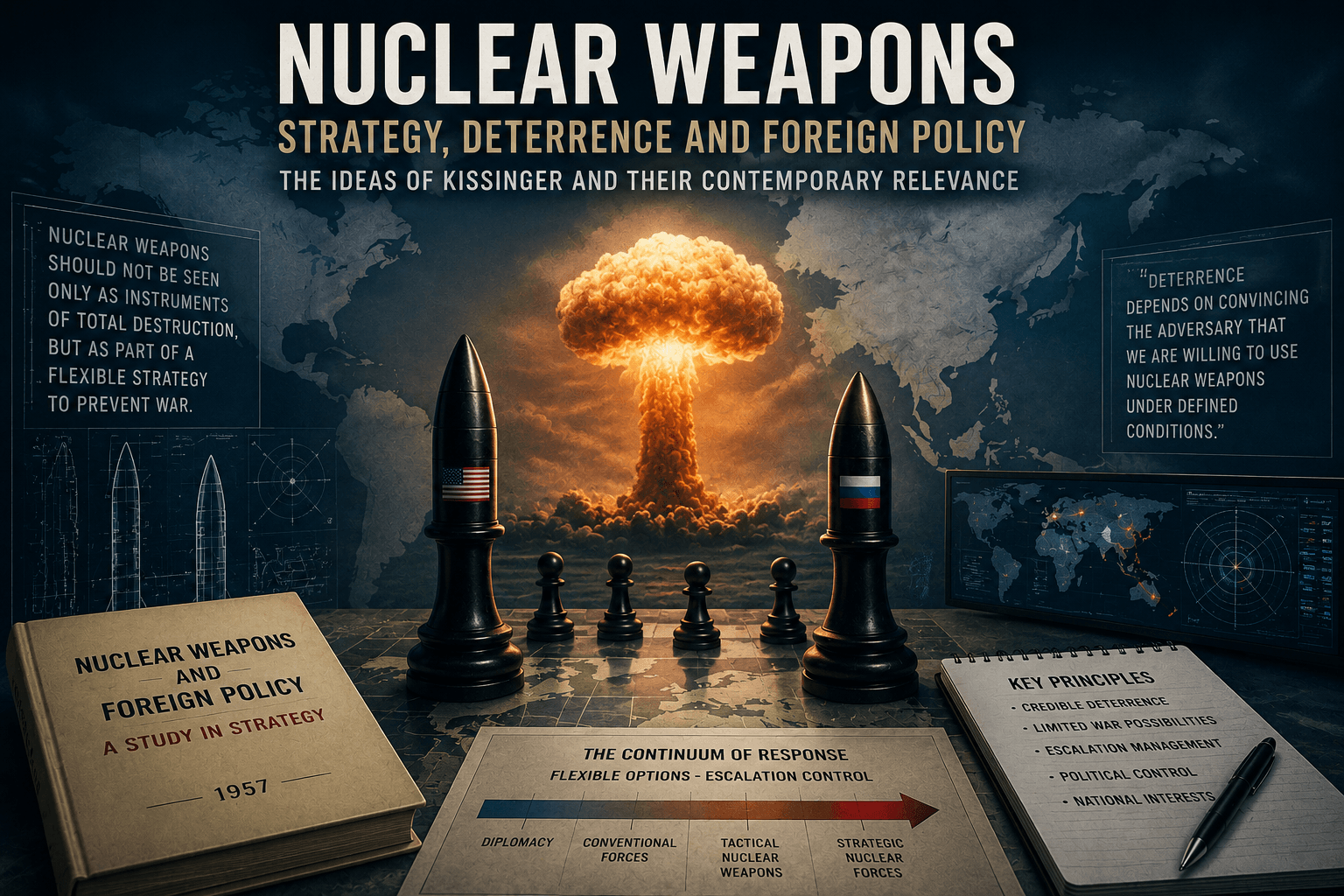
Introduction Since the detonation of the first atomic bomb in 1945, nuclear weapons have reshaped international politics, military strategy, and humanity’s perception of existential risk. The unprecedented destructive power demonstrated during the atomic bombings of Hiroshima and Nagasaki revealed that a single weapon could devastate an entire city. In the decades that followed, several countries … Read more