North Korea’s Nuclear Weapons Program: History, Arsenal, and Missiles

North Korea’s Nuclear Weapons Program: History, Arsenal, and Missiles

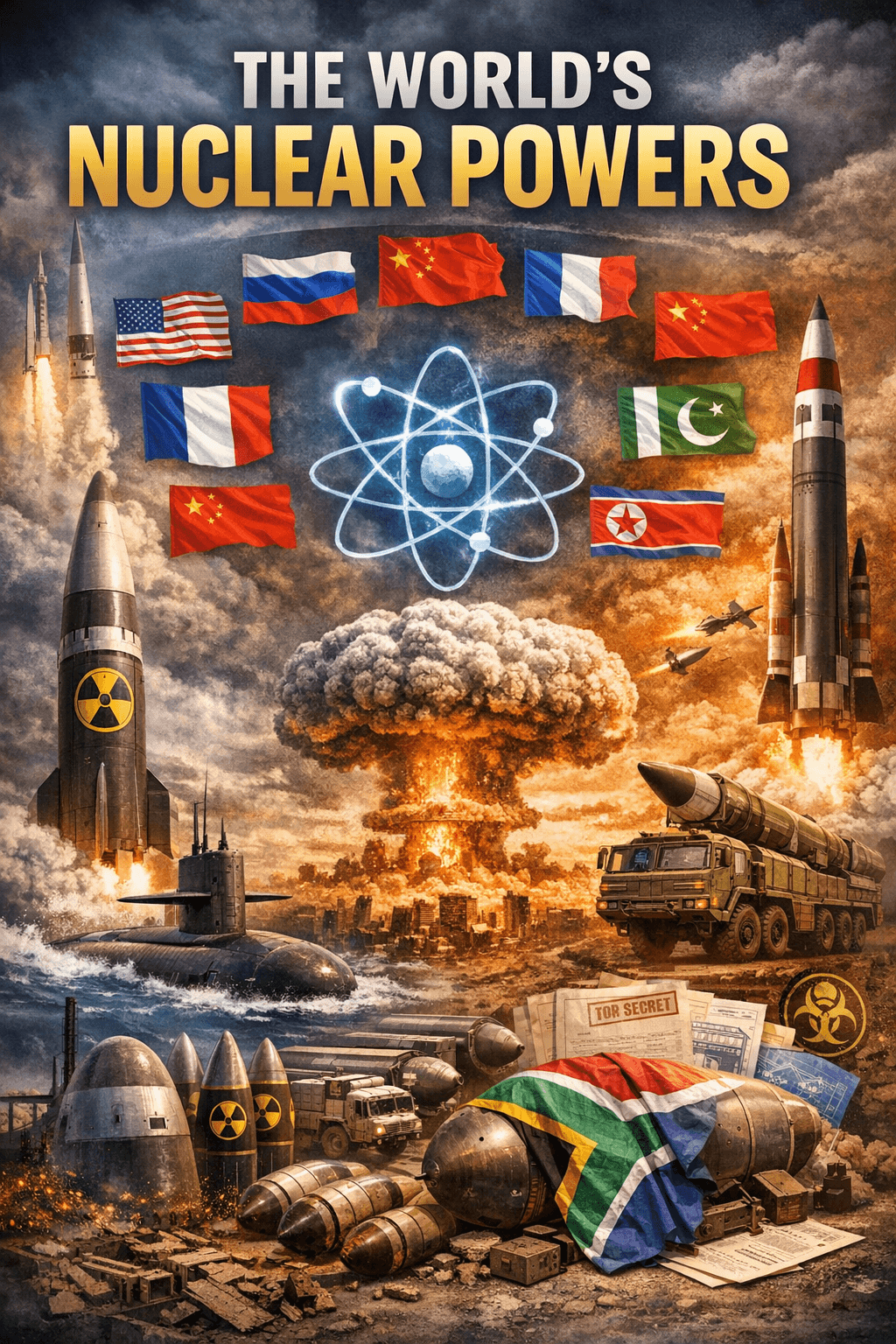
North Korea’s nuclear weapons program is one of the most contentious security challenges of the 21st century. Over nearly three decades, the Democratic People’s Republic of Korea (DPRK) has developed nuclear devices, conducted multiple tests, and created a range of delivery systems capable of threatening regional and global targets. This article presents a fact-based overview of the program, its historical evolution, key capabilities, and delivery technologies.

When the Law Falls Silent, Force Speaks

When the Law Falls Silent, Force Speaks

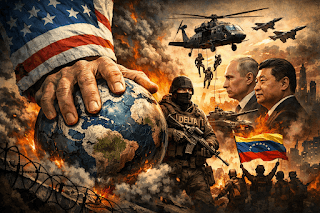
It is perfectly clear that, no matter how democratic a country may be domestically, its foreign policy borrows very little from the rule of law. This is also the case of the United States, which—however much it claims to be democratic and morally superior to, say, Russia or China—has far too many moments in its recent history in which it acted exactly as it wanted, not as it should have. Obviously, when you criticize someone, you should look not at who is doing the criticizing, but at what is being said. But sometimes—and this is such a case—it is also worth looking at who is speaking, at the one pointing the finger, always at others.

Analysis: Iran’s Protests and the Structural Limits of Regime Control

Analysis: Iran’s Protests and the Structural Limits of Regime Control

The current wave of protests in Iran reflects more than a cyclical episode of social unrest; it exposes deep structural vulnerabilities within the Islamic Republic that economic repression and coercive force alone can no longer fully contain.

At the structural level, Iran’s crisis is driven by a convergence of long-term economic decline, demographic pressure, and political stagnation. High inflation, currency devaluation, and chronic unemployment—especially among urban youth—have steadily eroded the regime’s social contract. Subsidies and welfare mechanisms that once mitigated public anger are increasingly unsustainable, limiting the state’s capacity to “buy” stability.