OPEC’s Rise and Decline: How the Oil Cartel Shaped the Modern World

OPEC’s Rise and Decline: How the Oil Cartel Shaped the Modern World
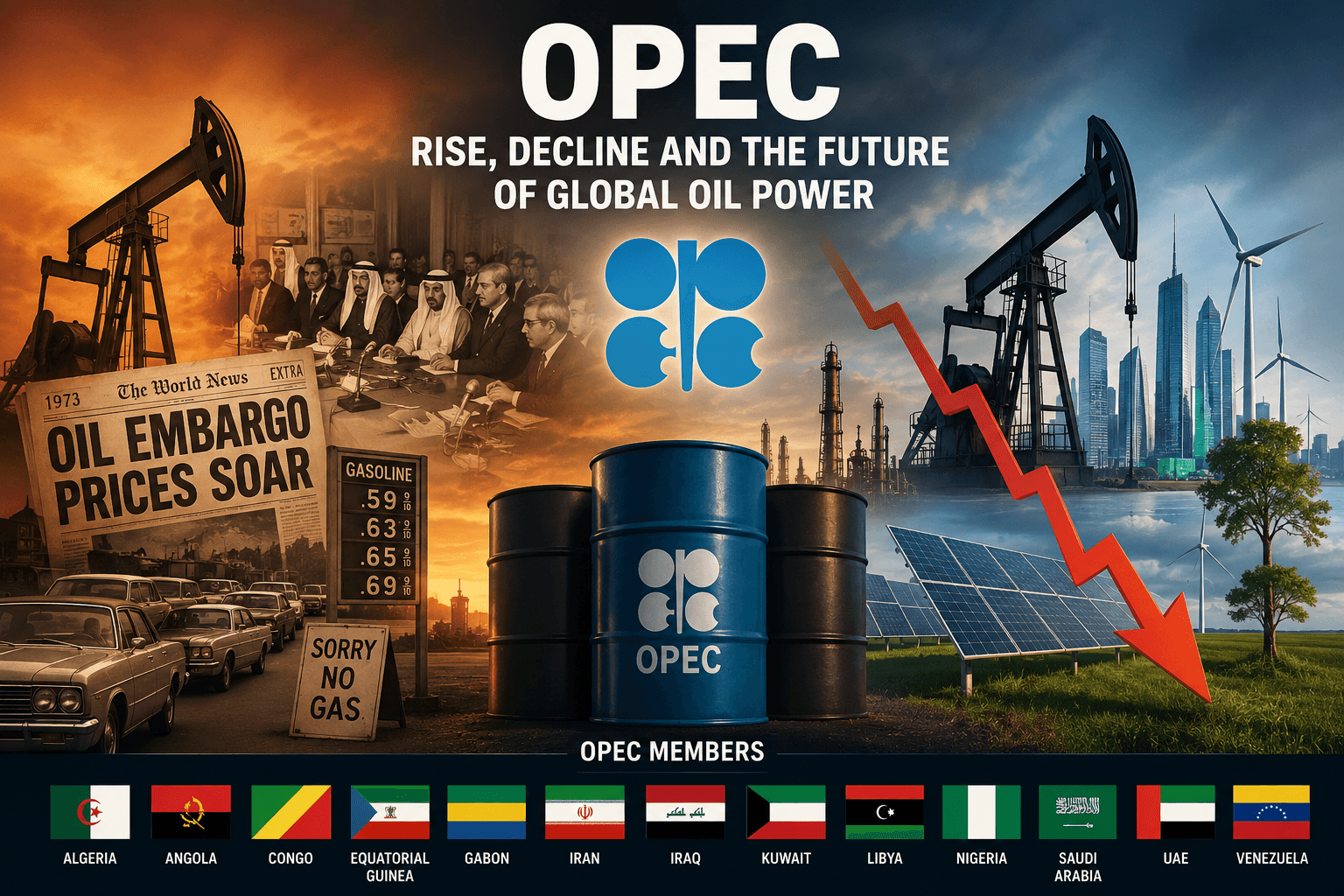
For more than six decades, the Organization of the Petroleum Exporting Countries (OPEC) has stood at the center of global energy politics. Few international organizations have influenced the world economy as profoundly as OPEC, whose decisions on oil production have shaped inflation, wars, diplomacy, industrial growth, and even domestic politics across continents. During the 1970s, OPEC was capable of shaking the foundations of Western economies through coordinated oil embargoes and production cuts. Today, however, the organization faces a more uncertain future marked by internal divisions, the rise of alternative energy, growing American shale production, and declining long-term oil demand expectations.
Is China Preparing a New World Order?

Is China Preparing a New World Order?

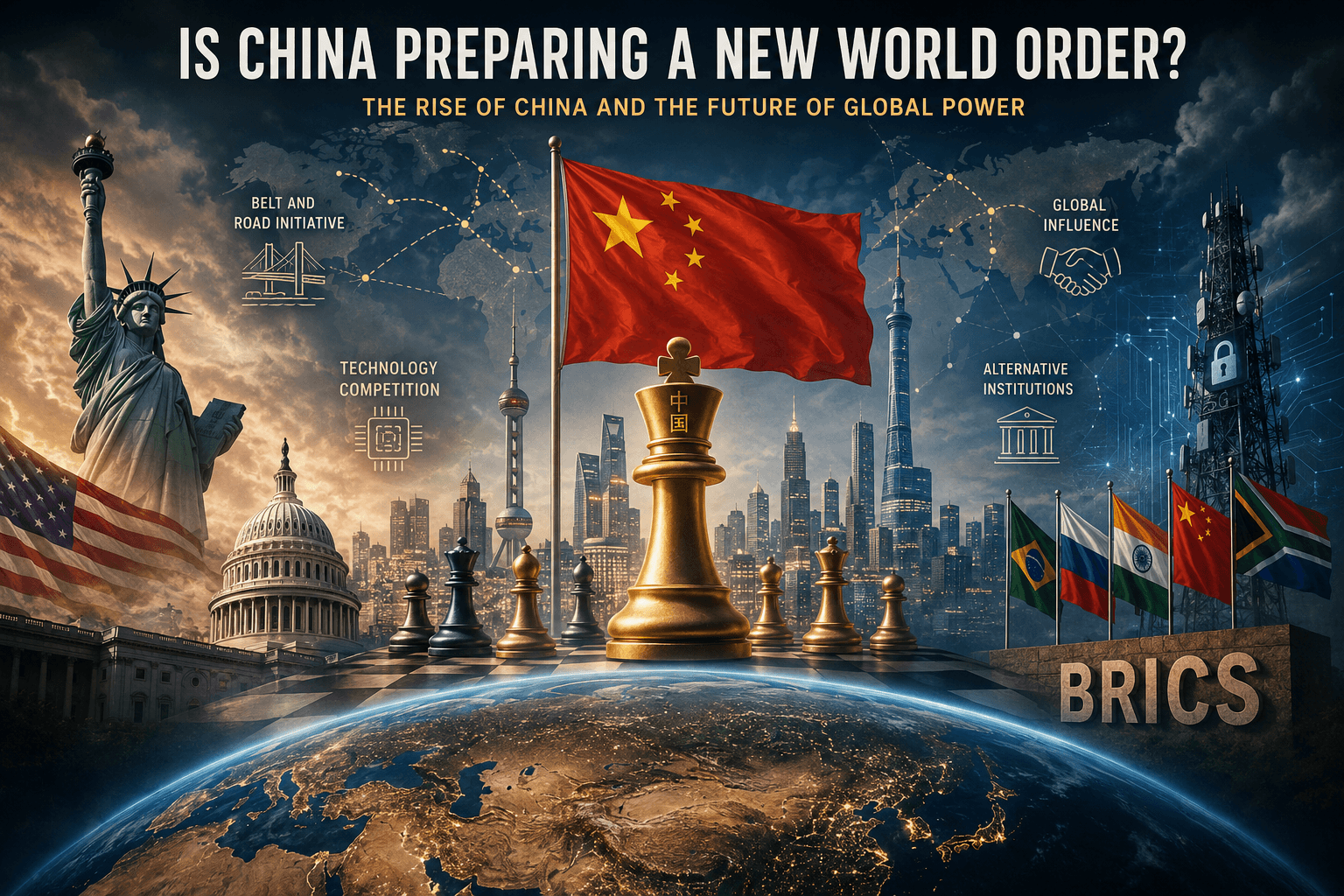
For most of the post-Cold War era, the international system revolved around a single dominant power: the United States. American military superiority, the dominance of the dollar, Western technological leadership, and institutions created after the Second World War shaped what many described as a “rules-based international order.” Yet in the early twenty-first century, another power has emerged with the ambition, economic strength, and geopolitical patience necessary to challenge that system: China.

The Thucydides Trap Is a Myth: What Athens, Sparta, and History Actually Reveal

The Thucydides Trap Is a Myth: What Athens, Sparta, and History Actually Reveal

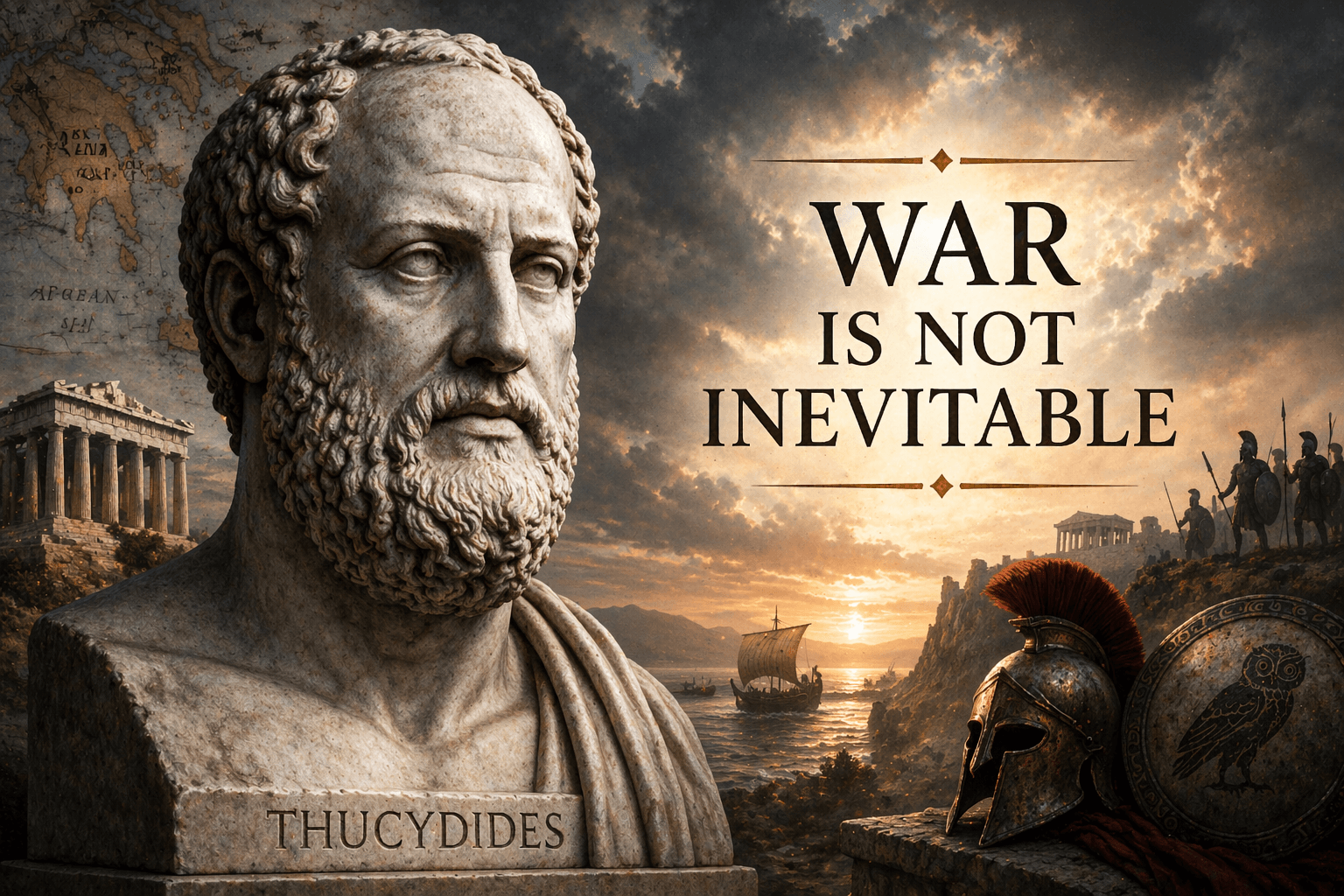
The concept of the “Thucydides Trap” has become a central reference point in contemporary geopolitical analysis, particularly in debates about the trajectory of U.S.–China relations. Popularized by Graham Allison, the term suggests that when a rising power challenges an established one, war is not just possible but likely — perhaps even inevitable. The idea draws … Read more

Geography Does Not Disappear: How Maps Still Shape Global Politics

Geography Does Not Disappear: How Maps Still Shape Global Politics

Introduction: The Illusion of a Borderless World Globalization, digital networks, and advanced military technologies have encouraged a persistent illusion: that geography no longer matters. Information travels instantly, capital moves across continents in milliseconds, and precision weapons can strike targets thousands of kilometers away. Yet beneath this surface, the structure of international politics remains deeply rooted … Read more

Strategic Miscalculations in the History of Conflict: From Ancient Sicily to the Modern Middle East

Strategic Miscalculations in the History of Conflict: From Ancient Sicily to the Modern Middle East

Military history is, to a significant extent, a history of miscalculation. States rarely enter conflicts believing they will lose; rather, they act on flawed assumptions, incomplete intelligence, ideological biases, or overconfidence in their own capabilities. These errors—strategic, operational, or political—often shape not only the outcome of wars but the long-term trajectories of civilizations. From antiquity … Read more

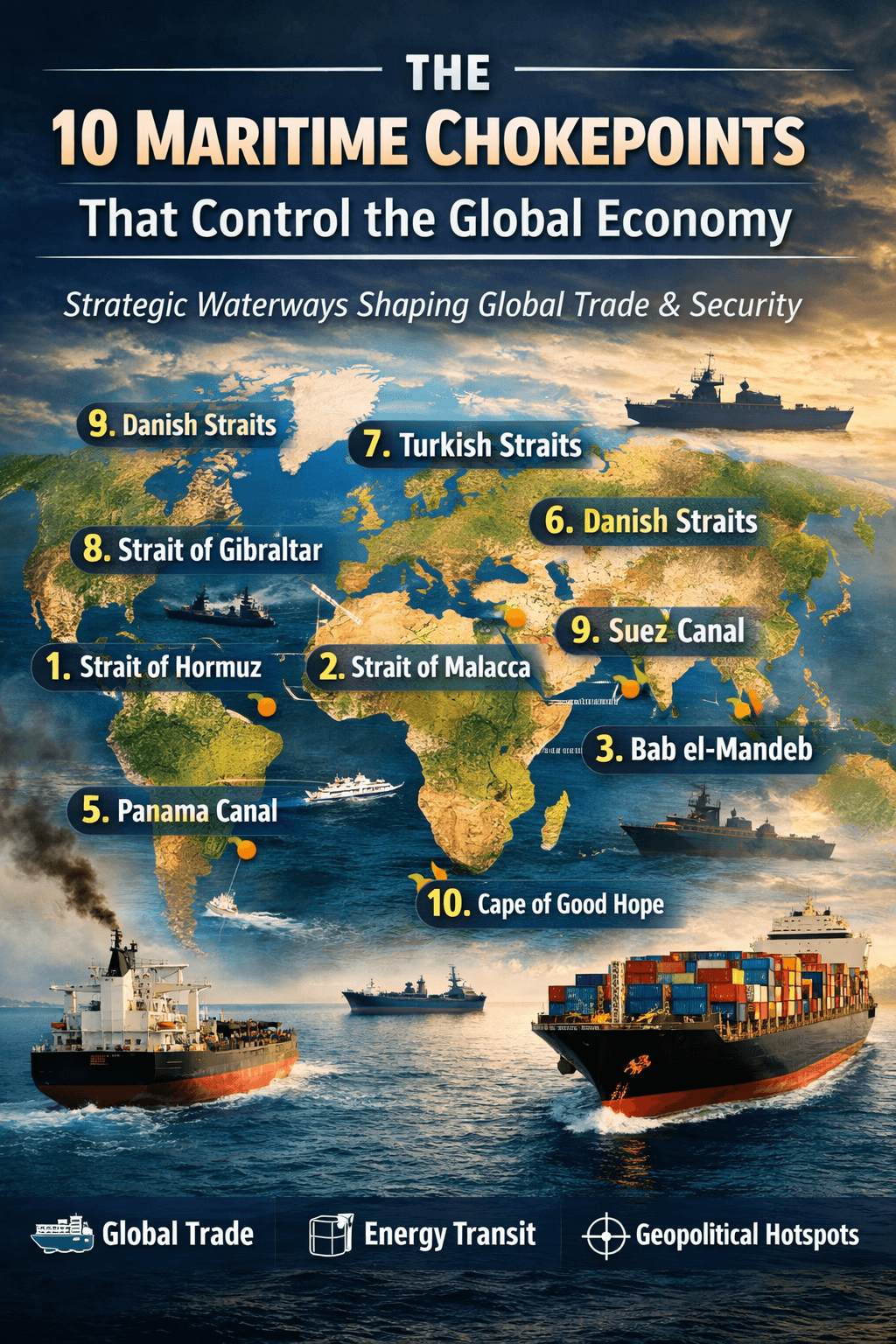
The 10 Maritime Chokepoints That Control the Global Economy

The 10 Maritime Chokepoints That Control the Global Economy

Introduction: Geography Still Rules Global Trade Globalization is often described as a system driven by finance, technology, and digital connectivity. Yet beneath the complexity of modern markets lies a much simpler reality: the global economy still moves primarily by sea. Around 80–90 percent of world trade by volume travels on ships, linking production centers, resource … Read more

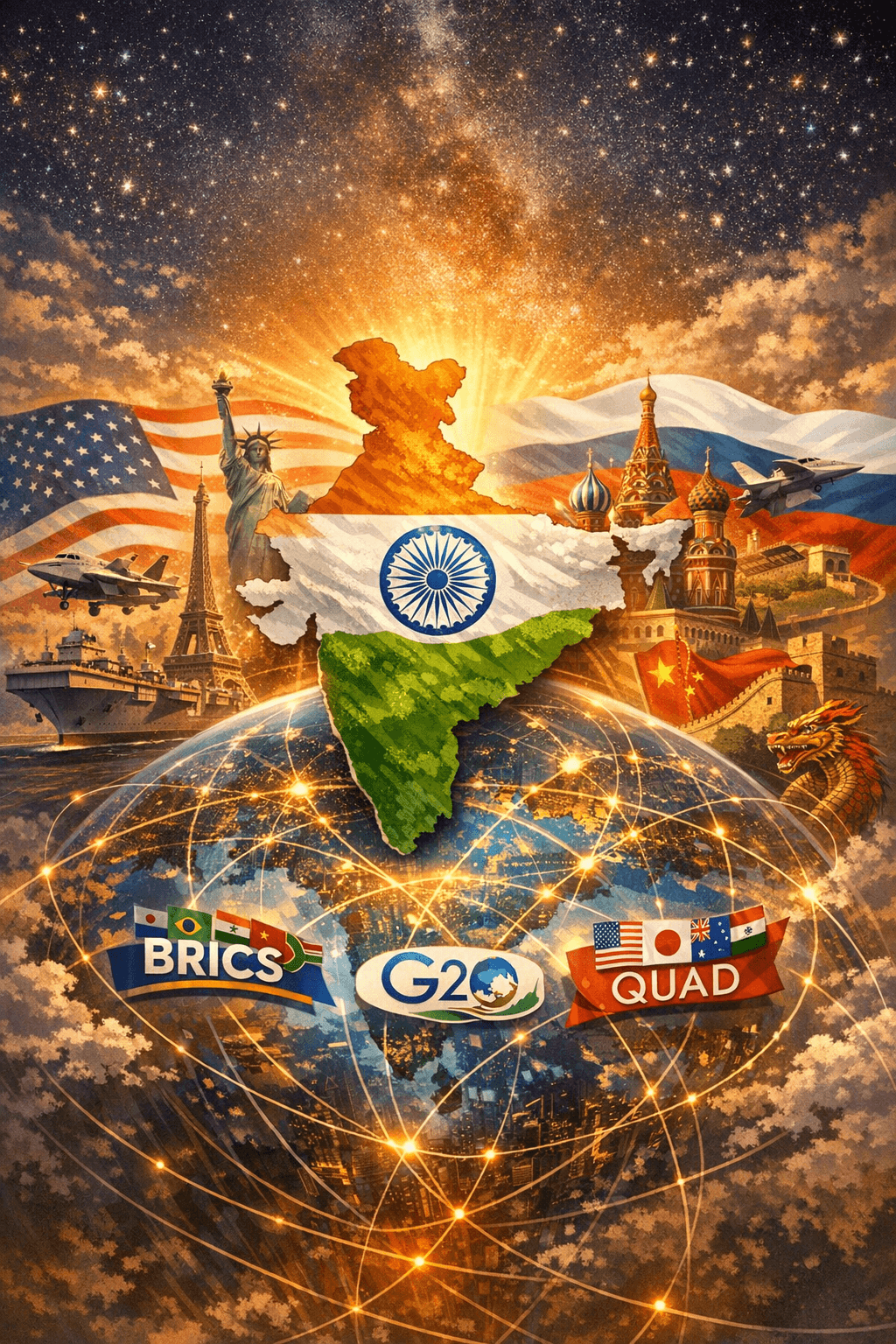
India as the Emerging Pivot of a Multipolar World Order

India as the Emerging Pivot of a Multipolar World Order

Introduction In the early decades of the twenty-first century, the structure of global power is undergoing significant transformation. The post–Cold War moment dominated by a single superpower has gradually evolved toward a more complex and decentralized system. Economic growth in Asia, technological diffusion, and the emergence of regional powers have contributed to the formation of … Read more

error: