US–Cuba Relations Timeline (1898–Present): From Intervention to Confrontation and Cautious Engagement
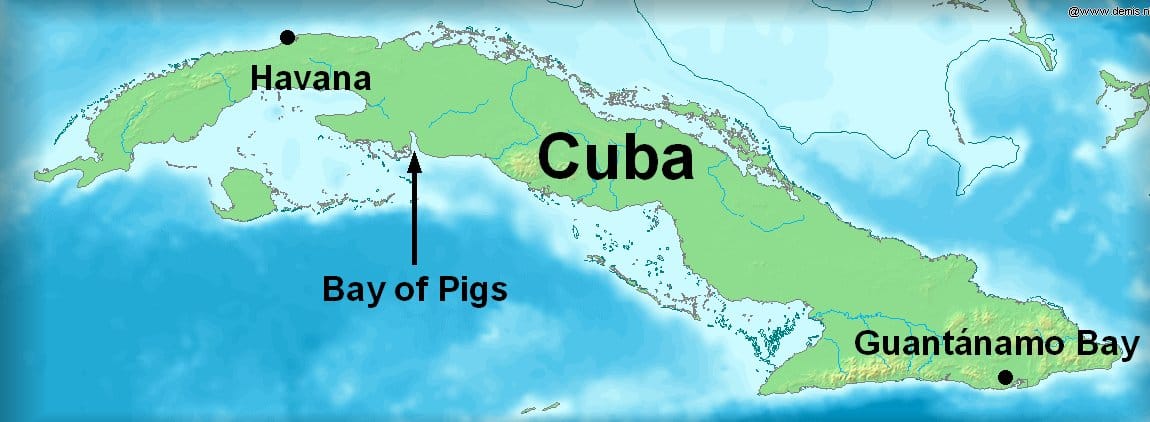
US–Cuba Relations Timeline (1898–Present): From Intervention to Confrontation and Cautious Engagement

The relationship between the United States and Cuba has evolved through phases of intervention, dominance, hostility, and limited rapprochement. This timeline traces key developments from 1898 to the present, with particular emphasis on the Cuban Missile Crisis—arguably the most dangerous moment of the Cold War. 1898–1933: Intervention and Informal Empire The modern relationship begins with … Read more
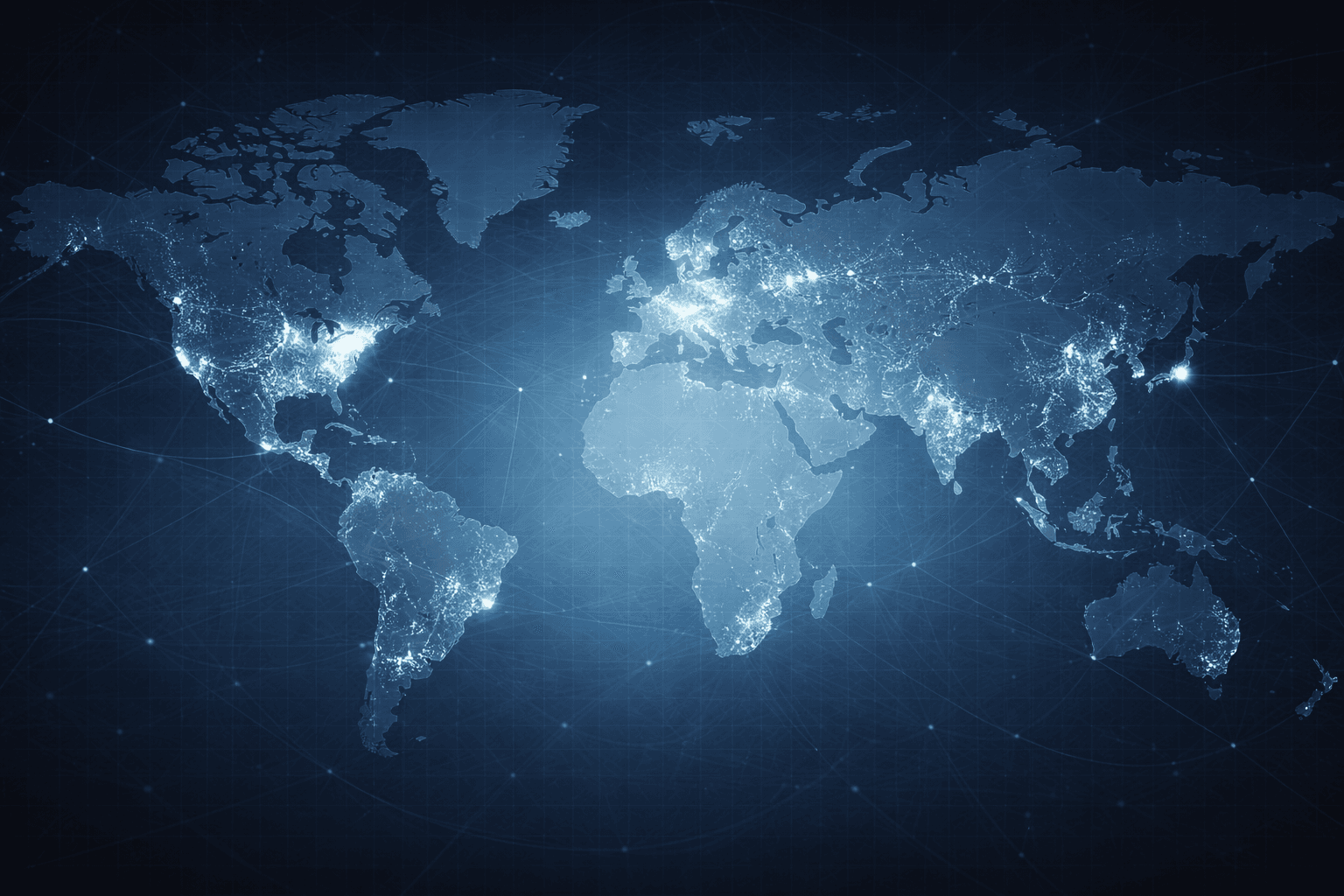

Geography Does Not Disappear: How Maps Still Shape Global Politics

Geography Does Not Disappear: How Maps Still Shape Global Politics

Introduction: The Illusion of a Borderless World Globalization, digital networks, and advanced military technologies have encouraged a persistent illusion: that geography no longer matters. Information travels instantly, capital moves across continents in milliseconds, and precision weapons can strike targets thousands of kilometers away. Yet beneath this surface, the structure of international politics remains deeply rooted … Read more

The Case Against a Nuclear-Armed Iran

The Case Against a Nuclear-Armed Iran

The Origins and Evolution of Nuclear Nonproliferation The idea of nuclear nonproliferation emerged in the aftermath of World War II, when the devastating power of atomic weapons became evident following the bombings of Hiroshima and Nagasaki in 1945. The unprecedented destructive capacity of nuclear arms prompted both fear and strategic reflection among world leaders. Early … Read more

R2P and the Question of War Against Iran: Sovereignty, Intervention, and the Structural Limits of International Protection

R2P and the Question of War Against Iran: Sovereignty, Intervention, and the Structural Limits of International Protection

The doctrine of the Responsibility to Protect (R2P) stands as one of the most ambitious normative innovations in contemporary international law. Emerging from the moral and political failures of the international community in the late twentieth century, it seeks to reconcile two principles long considered irreconcilable: the sovereignty of states and the protection of individuals … Read more

After Orbán’s Fall from Power, Europe Wins a Fighting Chance

After Orbán’s Fall from Power, Europe Wins a Fighting Chance

The electoral defeat of Viktor Orbán marks a turning point not only for Hungary, but for the broader European project. For more than a decade, Orbán positioned himself as a disruptive force inside the European Union—often described as a political “Trojan horse” aligned, rhetorically and strategically, with figures such as Donald Trump, Vladimir Putin, and … Read more

The Virtues of the Paper Tiger: NATO in a Changing World

The Virtues of the Paper Tiger: NATO in a Changing World

Few international organizations have inspired as many contradictory labels as the North Atlantic Treaty Organization (NATO). To its critics, it has often appeared as a “paper tiger”—a cumbersome, consensus-bound alliance whose military might is diluted by political caution. To its supporters, however, NATO’s greatest strength lies precisely in those features: restraint, unity, and a shared … Read more

Kashmir Dispute Explained: History, Power, and the Stakes of a Divided Region

Kashmir Dispute Explained: History, Power, and the Stakes of a Divided Region

Kashmir remains one of the most enduring and complex geopolitical flashpoints in the modern world. Situated at the intersection of South and Central Asia, this mountainous region is not only a territorial dispute but also a convergence point of historical grievances, national identities, and strategic ambitions. Geography and Demographics The Kashmir region spans approximately 222,000 … Read more

error: